An American man has died from a mass poisoning event in Laos that has also left two young Melbourne women fighting for their lives.
The US State Department confirmed the death of one of its citizens on Thursday in Laos tourism town of Vang Vieng, 130 kilometres north of the capital Vientiane.
The Sydney Morning Herald reports he was a 56-year-old, but no other details are known.
He is the third person thought to have died in a mass methanol poisoning in the town. Two Danish women aged 19 or 20 were the first confirmed deaths.
The incident has also left Melbourne 19-year-olds Holly Bowles and Bianca Jones clinging to life in separate Thai hospitals, with their worried families at their bedsides.
Jones and Bowes were staying at the Nana Backpacker Hostel in Vang Vieng and drank there on November 11, before a night out at the nearby Jaidee bar.
They then did not leave their dorm room for 24 hours and reported feeling unwell on November 13.
You might like


At least a dozen people have reportedly also been hospitalised after also drinking the substance.
Bowles’ father Shaun spoke to media in Bangkok on Wednesday, saying his 19-year-old daughter was in intensive care in a critical condition and on life support.
“We’d just like to thank everyone from back home for all the support and love that we’re receiving but we’d also like for people to appreciate right now we just need privacy so we can spend as much time as we can with Holly,” he said.
The Jones family also released a statement on the same day, flagging there was no change to their daughter’s condition and that it was “every parent’s worst nightmare”.
“Our beautiful Bianca was on a dream getaway with her best friend Holly,” they told the newspaper.”
Jones’ family urged authorities to “get to the bottom of what happened as soon as possible”.
The SMH reports the investigation into the mass poisoning has ramped up as publicity has spread this week.
Bottles of alcohol were reportedly seized from the hostel this week to be taken for testing.
Stay informed, daily
It follows hostel manager Duong Duc Toan admitting he served free shots of locally made vodka to the two Australians – although he insisted that wasn’t what made them sick.
He said the two women joined more than 100 other guests for free shots of Lao vodka. No other guests had reported issues, Toan said, adding that Jones and Bowles then went for a night out, returning early the next morning.
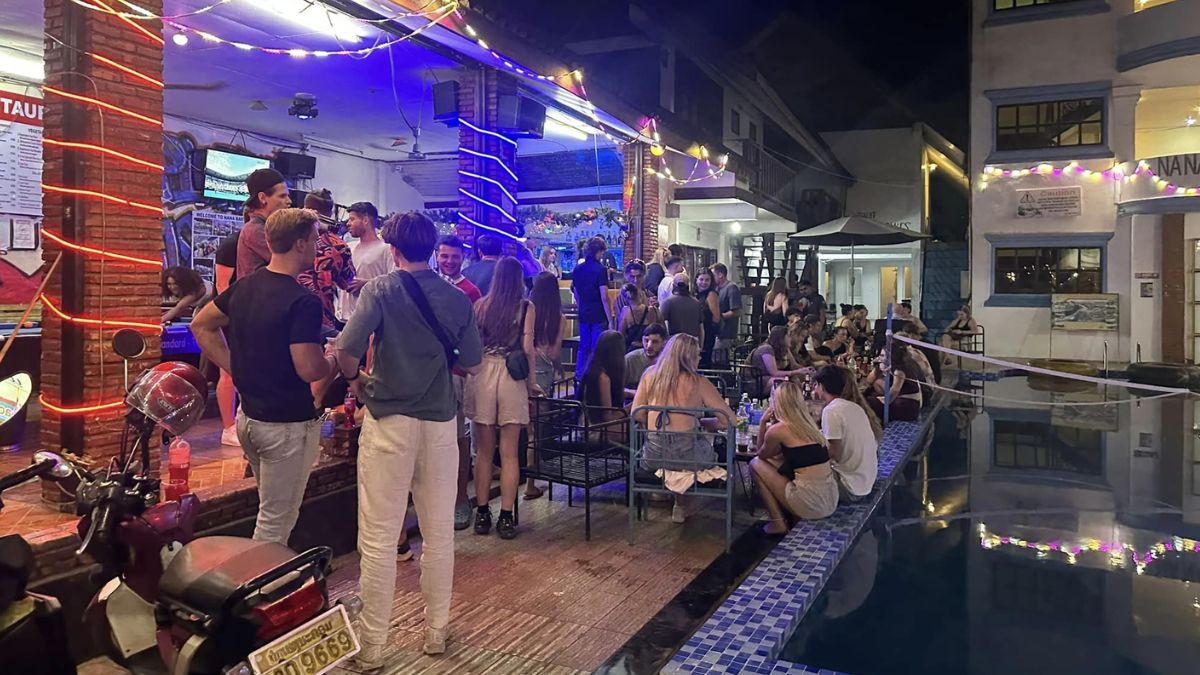
Toan said hostel staff were told by other guests that the women were unwell. They reportedly spent all of November 12 in their room, before going to reception saying they were “feeling hard to breathe”.
“They come to tell my staff, ‘please, can you help me, bring me to the hospital’,” the worker said, according to the Herald Sun.
A hostel worker took the girls to the hospital one-by-one on a motorbike.
Jones and Boyle’s football coach Nick Heath said the incident had been confronting for the women’s former teammates.
“This is right in their face, it’s not a Netflix documentary, it’s not some B-grade TV show, it’s real life. And it smacks you right in the face at a time when a lot of these kids dealing with VCE exams and uni exams and life in general,” he told The Project on Wednesday.
“It’s a very stressful time and a lot of them are planning their own holidays and trips, and wanting to have fun after a busy year. Then all of a sudden the realities of this hits you right between the eyes.”
University of Melbourne deputy director and head of emergency medicine George Braitberg said methanol tasted and smelt like standard alcohol and was often used as a substitute in illegal alcoholic beverages.
He said it would initially cause the same symptoms of drunkedness and could take eight-18 hours before the toxic effects were felt and possibly lead to multi-organ failure.
The chemical liquid contained a toxic metabolite known as formic acid, Braitberg said, which was concentrated in the eyes “causing blurred vision and possible blindness”.
It then entered the brain leading to confusion, seizures and coma, before the acid built up in the body causing respiratory failure, circulatory shock and kidney failure, he said.
Braitberg said hospital treatment such as intravenous fluids, dialysis and intensive care could help people recover, and early action was key to survival.
– with AAP
Want to see more stories from InDaily Qld in your Google search results?
- Click here to set InDaily Qld as a preferred source.
- Tick the box next to "InDaily Qld". That's it.


