Big night? How to reduce hangover symptoms
A new study suggests that engaging in regular vigorous exercise protects the body by dampening the symptoms of a hangover, advice that might come in handy for some on a post-election Sunday morning.
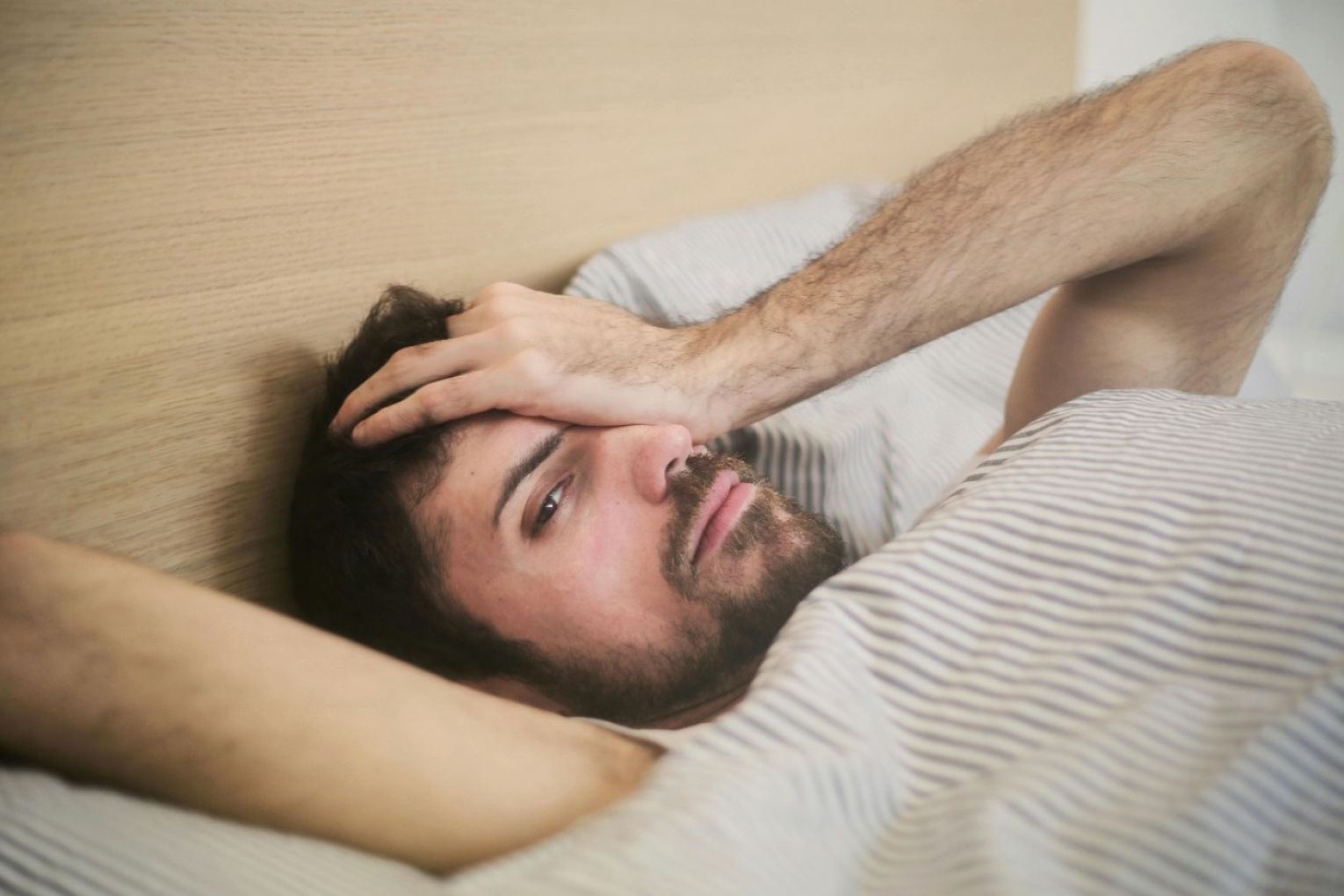
According to the study, published in the Addicting Behaviours journal, researchers recruited 1676 undergraduate students who had experienced at least one hangover in the past three months.
Every participant did at least 30 minutes of moderate physical activity per week.
An online questionnaire assessed “their alcohol consumption patterns, physical activity levels and the frequency and severity of hangover symptoms”.
The findings “indicated a significant association between physical activity and hangover symptoms”.
Participants who drank more alcohol experienced hangovers more frequently and with greater severity.
These associations were reduced in people who engaged in vigorous physical activity such as running. This suggested “that higher levels of exercise may reduce the severity of hangover symptoms”.
Beyond establishing a correlation, the study doesn’t prove that regular exercisers are blessed with reduced hangover severity.
You might like


However, the researchers suggest how exercise might soften and mitigate hangover symptoms.
In effect, we know that people who do regular exercise tend to recover from illness sooner and hold up better against life’s stresses, such as a hangover.
Indeed, the worst thing you can do is try to work off the pain of a hangover with vigorous exercise. You’re already dehydrated and sweating will make it worse.
Your balance is compromised, your heart is already working harder, and you can end up injuring yourself. Plus you’re likely to end up cramping.
When exercising after drinking your liver works harder to get rid of the toxins from the alcohol, and this means clearing the body of lactic acid takes longer, hence, the cramps.
What you need to ride out a hangover instead of exercise is sleep, rehydration, eating some bland food, maybe going for a walk and avoiding pick-me-up cocktails.
Exercise modulates pain response
Hangovers hurt. There’s the crippling headache and muscle pain all over.
Stay informed, daily
Endorphins – hormones that are also neurotransmitters – serve as painkillers and mood stabilisers.
They’re released when we’re in pain or stressed. More noticeably, they’re also released during pleasurable activities such as exercise and sex.
The researchers suggest that regular exercise may “elevate your baseline endorphin levels”.
This could “potentially lead to a lower perception of pain and discomfort during a hangover”.
Dual benefits
Sleep is a great hangover cure, but quality sleep isn’t so easy to come by. This is because “alcohol reduces REM sleep, which is the part of the sleep cycle that helps the brain rest and recover”.
But regular exercise is linked to better sleep patterns by helping to regulate the circadian rhythm. This can reduce the number of times you wake up during the night.
We know that regular exercise aids better metabolic health, hence, it may “facilitate the efficient processing of alcohol”.
Alcohol, being a poison, triggers an inflammatory response which can exacerbate hangover symptoms. This response is designed to protect against the poisonous invasion.
Inflammation can “worsen symptoms such as headaches, muscle aches, fatigue and sensitivity to light and sound”.
By amplifying these discomforts, the hangover feels more intense.
Given that exercise has established anti-inflammatory properties, regular exercisers could experience less inflammation-related discomfort during hangovers.
– TND
Want to see more stories from InDaily Qld in your Google search results?
- Click here to set InDaily Qld as a preferred source.
- Tick the box next to "InDaily Qld". That's it.


