Spotify Wrapped is about finding common ground
Spotify Wrapped is about more than what songs you listen to, writes Kelvin Wong, it’s about what makes you you.
Spotify has just released its 2024 Spotify Wrapped, the music streaming site’s annual presentation of each user’s yearly listening habits. It gives you a fun recap of your most listened to songs, artists and genres from the past year – complete with stats like how many minutes you listened and your top genre “phases” or “moments”.
The tradition has seized the cultural zeitgeist throughout the whole year, with a lot of online discourse surrounding what music will top your listens for the year.
In addition to the exciting way the list is presented (aesthetically pleasing tiles, interactive elements), the answer to its ability to captivate may be found in one simple idea: we inherently like understanding ourselves.
But what does this mean? We can unpack this further in the psychological theories of self-concept, social comparison and social connection.
Self-concept
Self-concept is how we see ourselves. It develops from our experiences and our responses to these experiences.
Music is one of those unique mediums that reflects what we’ve experienced (for example, a break-up) and how we feel (sadness and yearning).
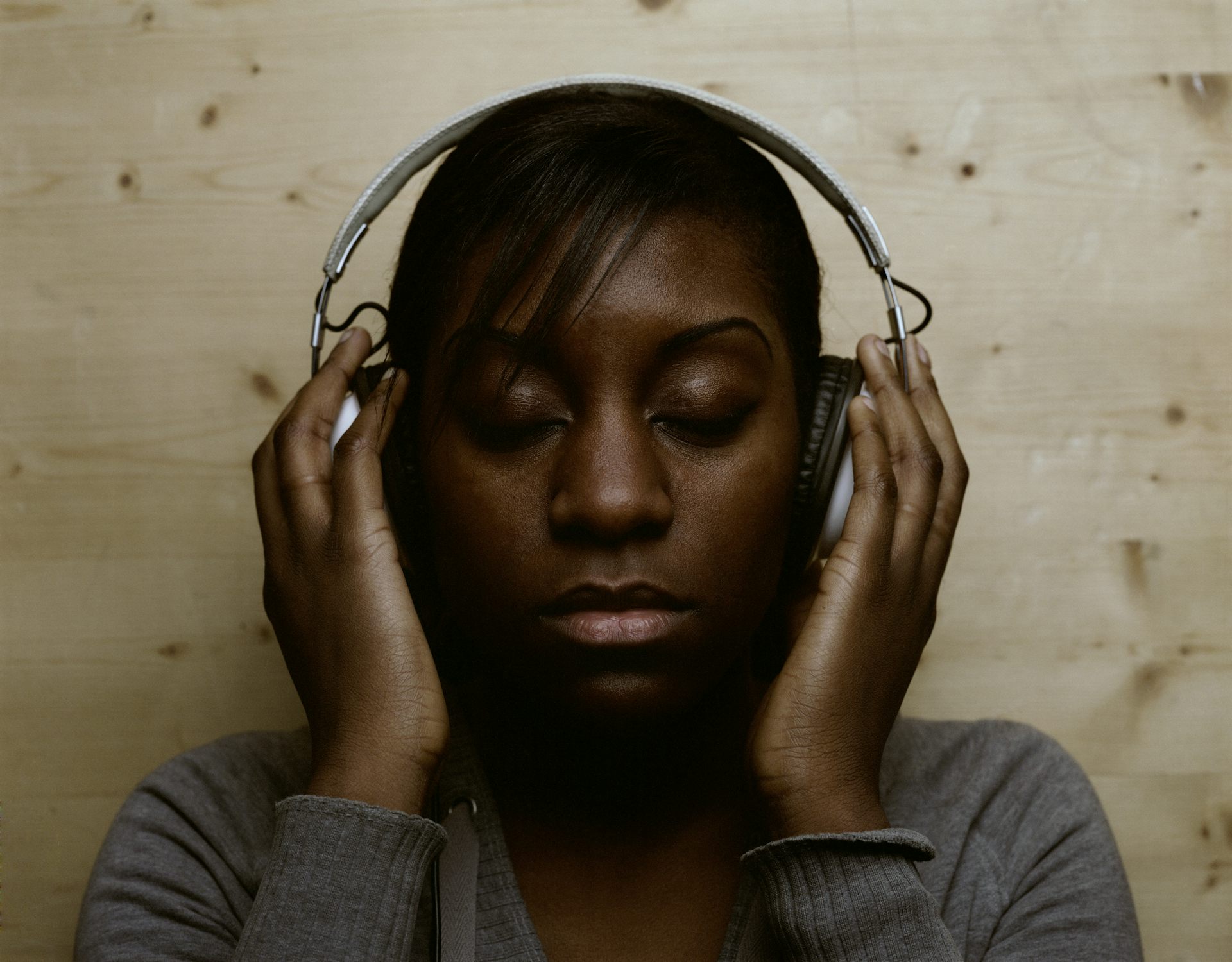
Our Spotify Wrapped this year might remind us of the songs we listened to during that break-up. Yohan Marion/Unsplash
So, when we see a yearly list of our top artists, genres and songs, it’s like looking into a mirror that tells us who we’ve been throughout the year.
This drive towards self-reflection is likely because it fulfils some of our most fundamental human needs. Remember that time when everyone was doing the Myers-Briggs personality test?
In 1943, the American psychologist Abraham Maslow developed his theory of human needs.
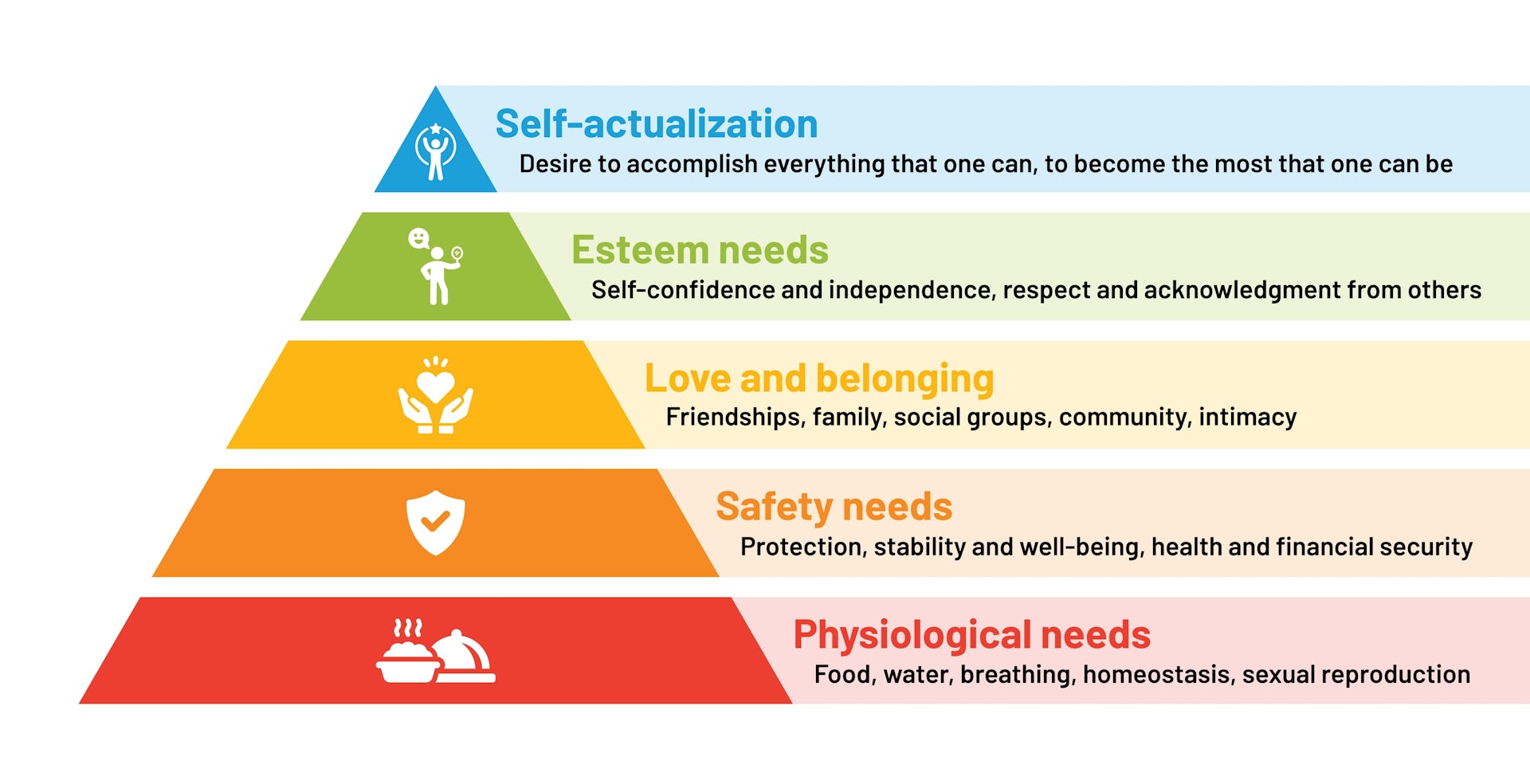
Maslow hierarchy of needs. The Studio/Shutterstock
According to this theory, humans have a need for esteem (gaining respect and recognition within our communities) and self-actualisation (realisation of one’s potential). Neither of these can occur without first an understanding of who we currently are. Sharing a list, then, is a way of saying to others, “this is me!”.
But sharing your Wrapped list serves more functions than simply self-expression. It facilitates social comparison and social connection.
Social comparison
In 1954, American social psychologist Leon Festinger published his social comparison theory.
He believed humans are naturally inclined to compare themselves to others. We constantly evaluate where we stand in relation to those around us.
When you post your Wrapped list, you aren’t just saying, “this is what I listened to” or “this is who I am”. You’re also inviting others to engage in a subtle social dialogue.
Seeing someone else with the same song on their list might spark a sense of connection. Seeing that you’re in the top 1% of Taylor Swift fans might make you feel even a little superior (and others a little envious).
(As a side note, I hope this happens to me again this year.)
Seeing someone else’s Wrapped can also inspire and validate. If a friend’s list includes a mix of genres you’ve never explored, you might feel encouraged to branch out. Or you might see someone else’s list and feel relieved you’re not the only one obsessed with an artist.
Whether conscious or subconscious, these comparisons drive engagement with Spotify.
Social connection
Sharing our Spotify Wrapped satisfies another fundamental human need: belonging.
Humans are inherently social creatures who want to feel loved and accepted. Music is one of the oldest ways we’ve connected with one another.

Sharing your Wrapped with friends can be a great moment of connection. Photo: Brooke Cagle/Unsplash
Sharing our Wrapped lists isn’t just about showing off who we are, but about finding common ground. It’s about finding your tribe, a group of people we can feel safely connected to.
This is even more important during a period in which people’s opinions are becoming more divided and for a younger generation where loneliness is becoming an increasing problem.
Building on your own wrap
This urge to know about yourself and to share is very human.
This year, however, I challenge you to go beyond just dropping a like on someone’s story.
Sure, the dopamine hit is great and is part of what keeps us coming back to this yearly ritual. But it takes more than that to meet our need for connection.
This year, use Spotify Wrapped to start up a conversation with someone. Maybe about how their experiences and feelings this year led to the songs appearing on their list. You might learn something new about them and create or revitalise a meaningful connection.
And that’s a wrap.
Kelvin (Shiu Fung) Wong, Senior Lecturer in Clinical Psychology, Swinburne University of Technology
This article is republished from The Conversation under a Creative Commons license. Read the original article.
Want to see more stories from InDailyQLD in your Google search results?
- Click here to set InDailyQLD as a preferred source.
- Tick the box next to "InDailyQLD". That's it.