Fossil fuel farce: If carbon is killing our planet, why are we giving it so much in subsidies?
Government subsidies to fossil fuel producers have risen, triggering calls for the Commonwealth to scrap the financial assistance.
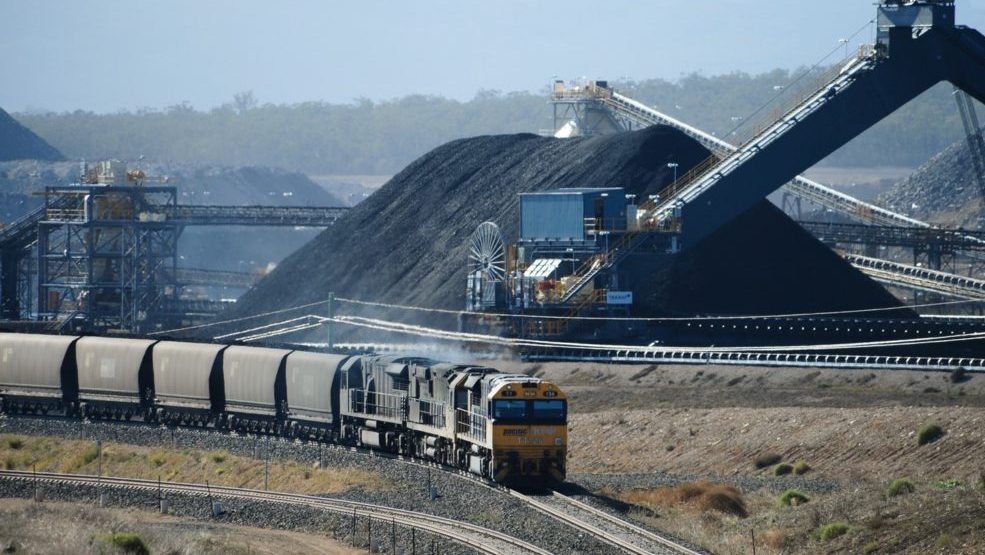
Research from think tank The Australia Institute reveals subsidies to fossil fuel producers from federal and state governments have increased to $14.5 billion in the 2023/24 financial year.
It’s expected there will be a 31 per cent increase in subsidies in the current fiscal year, from the $11.1 billion handed out in 2022/23.
The rise has been driven by the federal government’s fuel tax credits scheme, which provides credits for businesses that have bought fuel for their company.
The Australia Institute’s research director Rod Campbell said the increase in subsidies was undermining the government’s stance on reducing emissions and the use of fossil fuels.


“Budgets are about choices. This research reveals Australian state and federal governments are budgeting for more fossil fuel use and more fossil fuel production, not less,” he said.
“The magnitude of these fossil fuel subsidies overshadows government claims about climate action. Our state and federal governments are failing to implement even the most basic climate policy – cutting fossil fuel subsidies.”
The report showed the total fossil fuel subsidies over the next four years would total $65 billion, or 16 times the size of the federal government’s disaster ready fund.
Subsidies in the current financial year include $1.6 billion in aviation fuel concessions, an increase of 36 per cent due to Australians flying more, with the federal government also spending $113 million on upgrading coal railways.
Queensland was the jurisdiction with the highest level of subsidies at $1.6 billion.
Stay informed, daily
Mr Campbell said the report finding highlighted the need for the subsidies to be reduced to increase the budget bottom line.
“Eliminating these subsidies would significantly increase government revenue to address climate issues while also reducing emissions,” he said.
“If governments collected this foregone revenue, it could instead look to address housing affordability and other cost-of-living pressures.”
Want to see more stories from InDaily Qld in your Google search results?
- Click here to set InDaily Qld as a preferred source.
- Tick the box next to "InDaily Qld". That's it.



