Why noise reduction at Brisbane Airport is compromising safety of flyers
Pilots are accusing authorities of putting private landholders ahead of safety, in their efforts to reduce noise complaints.
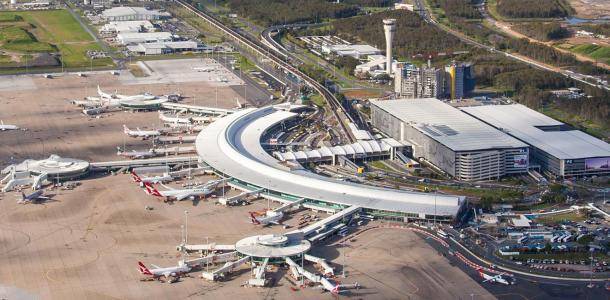
Brisbane Airport, which operates 24 hours every day, has become the centre of a local furore as residents complain en masse about noise after its $1.1 billion second runway opened in 2020.
A Senate inquiry into the impact and mitigation of aircraft noise is examining potential solutions to the issue.
But the Australian Airline Pilots’ Association (AusALPA), which represents more than 7100 pilots, is expected to make its concerns known on Monday.
In its submission, the organisation says it is concerned with political processes between Brisbane Airport Corporation and Airservices Australia to appease a “small but vocal segment” of the local community.
It says the complainants were “lulled into a false environmental perception by the lack of aviation activity during the majority of the COVID-19 pandemic” who are now concerned about the impact of these flights on their property values and quality of life.


Brisbane Airport’s tailwind allowance used to be 10 knots but was reduced to five in accordance with the international standard, and now Airservices Australia has proposed increasing it to seven knots to increase the number of arrivals and departures over the bay and reduce noise during night time hours.
But AusALPA says this change could put pilots and passengers at risk.
“While operators always state that ‘safety is our highest priority’ the reality is that the highest priority is more like ‘sufficient safety to generate maximum profits’,” their submission read.
“AusALPA does not accept the reduction of safety buffers simply for the convenience of (air traffic control) or the indetrminable benefit of a small group of private landholders.”
Pilots are often subject to many workplace pressures to depart and arrive on time and burn the minimum amount of fuel possible, all while fatigued.
“In the end, those pressures lead to decisions that may be uncomfortable and pushing personal and professional limits in order to achieve self-imposed or operator specified efficiency criteria,” the submission said.
Stay informed, daily
However, a submission from economist and University of Queensland Professor John Quiggin found that economic losses associated with aircraft noise were substantial.
An impact of 10 decibels led to an implied $4-7 billion reduction in property values, he found.
“The social costs of late night international departures exceed the convenience benefits to airlines and passengers by a ratio of around 1000 to 1,” his submission said.
Additionally, increased aircraft noise presented public health issues and could contribute to an increase in the risk of heart attacks.
Want to see more stories from InDaily Qld in your Google search results?
- Click here to set InDaily Qld as a preferred source.
- Tick the box next to "InDaily Qld". That's it.



