Sluggish global economy, weakened China could chop $115 billion off exports
Australia’s exports were in for a savage downturn of $67 billion this year $115 billion by 2024-25, according to the Federal Government’s chief economist.
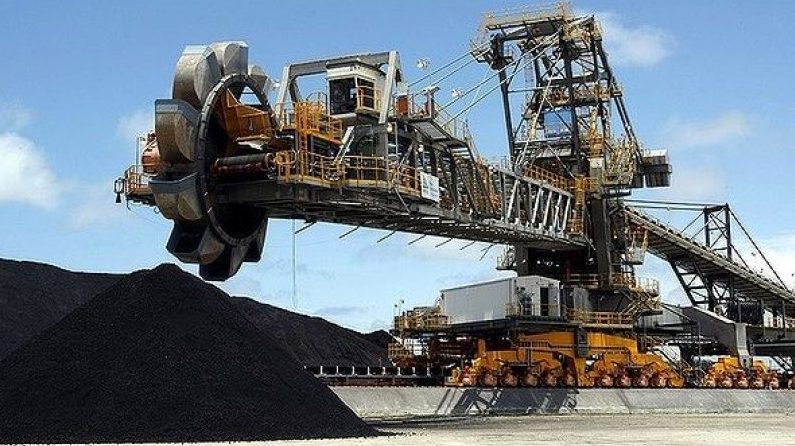
The downturn would be the result of a sluggish global economy, including a weakened China.
The Government’s Resources and Energy Quarterly said despite the downturn, the global energy transition was picking up pace with investment in clean energy expected to reach $US1.74 trillion in 2023.
“Australia is well placed to benefit from the clean energy transition, given our rich geological reserves and expertise and track record extracting these minerals,” the report said.
However, while thermal coal exports to China have returned to levels seen before it imposed restrictions on it, metallurgical coal was struggling.

“New rail links have facilitated a recent surge of Mongolian metallurgical coal exports to China in the past year or so, and Russia has been able to divert some of its coal exports to China (and India) from the Western nations which have banned Russian exports,” the report said.
“Metallurgical coal prices have edged down as worries over low demand from Asian steel makers have added to the impact of improving supply. Prices remain above pre-war levels, as some Russian
supply remains stranded from world markets.
“In volume terms, most resource exports are likely to show significant growth over the outlook period, as the global energy transition accelerates.
“Energy exports will level out in 2024, as the sharp price falls of the past year temper production and encourage delayed maintenance to occur.
“In the coming two years, while the resource sector will likely contribute to real GDP growth, the energy sector’s contribution will be modest at best. Coal producers will benefit from modest volume gains and prices that are still high in historical terms. LNG exports are likely to be little changed.”
Stay informed, daily
Want to see more stories from InDaily Qld in your Google search results?
- Click here to set InDaily Qld as a preferred source.
- Tick the box next to "InDaily Qld". That's it.