Stan Grant steps up for forum to help simplify the Voice choices
Journalist Stan Grant will make his return to the public arena moderating an expert panel trying to demystify the Indigenous voice to federal parliament.
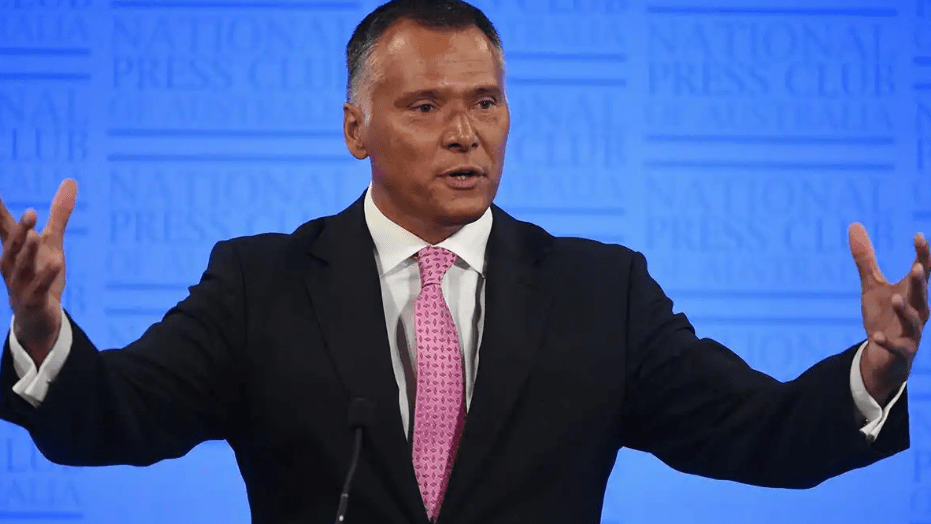
Indigenous Australians Minister Linda Burney and lawyer and land rights activist Noel Pearson will address the Sydney Town Hall forum before the panel of experts, including prominent ‘yes’ campaigners, take audience questions on Wednesday night.
Grant, a trailblazer in his field, stepped away from his ABC commitments eight weeks ago citing the toll of racist abuse.
His return comes a day after both the ‘yes’ and ‘no’ camps revealed the arguments they will make to win voters to their respective sides in the coming referendum.
Australians will be asked whether they support an Indigenous advisory body being enshrined in the constitution.
Prime Minister Anthony Albanese said it was important for voters to see beyond the politics and think about the origin of the voice.
You might like
“This comes from Indigenous Australians themselves – this doesn’t come from politicians, it hasn’t come from Canberra,” Mr Albanese told 2GB radio on Wednesday.
“We know that they said they don’t just want the symbolism of recognition, they want something that will make a practical difference to their lives.”
Mr Pearson told a described it at a forum in Sydney on Tuesday as “unfinished business”.
The town hall audience will be able to quiz Kerry O’Brien and Thomas Mayo, who co-authored a handbook on the voice, as well as one of the nation’s leading constitutional experts, Anne Twomey.
Stay informed, daily
Professor Twomey said each panel member knew the proposal backwards and wanted to address any questions and concerns.
While she wasn’t aware of another country having a constitutionally enshrined advisory body for Indigenous people, each country’s constitution and political system differed.
That made it unsurprising that there wasn’t an exact replica of the Australian proposal.
“The point of the voice is that it’s Indigenous – in the sense that it is something that came from us to meet our own circumstances,” Prof Twomey told AAP.
“So why would it look the same as some other body in another country?”
However, most other countries had found a way to recognise their Indigenous population, meaning the voice to parliament was not extraordinary in a broader sense, she said.
Independent senator Lidia Thorpe says there’s a lack of evidence from the ‘yes’ camp that an advisory body would work.
“They provide no historical evidence that an advisory body would have an impact, fail to recognise that there have been many ineffective advisory bodies in the past, and present a model of the advisory body that has not been debated or agreed to by First Nations people,” she said on Tuesday.
Victoria’s first Indigenous senator has also criticised the ‘no’ campaign for being led by conservative figures.
The vote will be held between October and December and is the first referendum since 1999.
The ‘yes’ side will fail unless it garners support from a majority of the population and four of the six states.
Want to see more stories from InDaily Qld in your Google search results?
- Click here to set InDaily Qld as a preferred source.
- Tick the box next to "InDaily Qld". That's it.