Golden breed: DNA tests show most wild dingoes are pure, not hybrids
The majority of dingoes in Australia are pure-blooded and not a genetic mix with domestic dogs, according to surprising research.
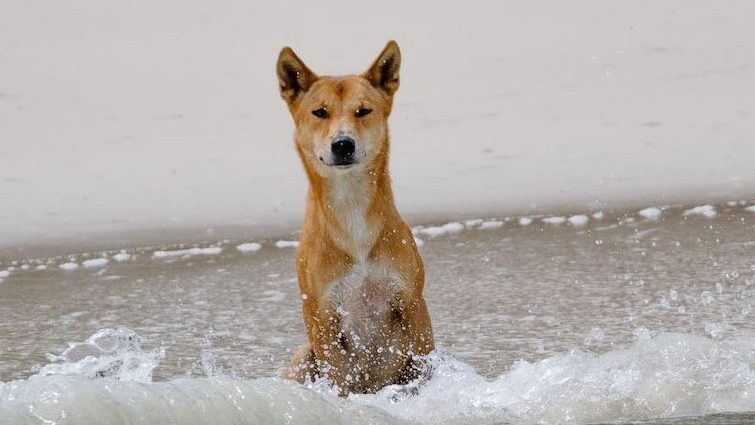
Scientists at the University of NSW say the results of their study challenge the existing view that pure dingo numbers are on the decline due to crossbreeding.
Dingoes are genetically distinct from domestic dogs but can interbreed, with conservationists concerned that interbreeding is a threat to the species.
Research published in Molecular Ecology showed the wild dingo populations in Australia are actually relatively untouched by dog genes.
Lead author Dr Kylie Cairns from UNSW said the researchers studied the DNA of 391 wild and captive dingoes and conducted detailed ancestry modelling and bio-geographic analysis.
The results were a surprise.
You might like


“For decades, there was fear that dingoes were breeding themselves into extinction,” she said.
“But our findings suggest this isn’t the case, and dingoes are largely maintaining their identity, which has implications for their management and conservation.”
Previous studies relied on a relatively small number of genetic markers and limited reference population, leading to an overestimate in dog ancestry of about 30 per cent.
“But with the new test, we can look at 195,000 points across the genome compared with just 23 previously. So, it’s a huge step up in reliability and accuracy,” Cairns said.
Stay informed, daily
Previous estimates had put the pure dingo population in Victoria as low as four per cent but the new genetic analysis showed 87.1 per cent of animals tested were pure dingoes.
Dingo-dog hybridisation was thought to be widespread in NSW and Queensland, but most animals were found to be pure dingoes, and only two wild canids had less than 70 per cent dingo ancestry.
The NT, SA, and WA have always had fewer hybrids.
Professor Mike Letnic who worked on the study said it had implications for the treatment of wild dogs and dingoes, which were often considered pests for the damage they cause to livestock.
“Dingoes are a threat to some livestock, but they’re not a pest in all contexts. They play a crucial role as apex predators in maintaining ecosystem function and biodiversity,” Letnic said.
He suggested the definition of “dingoes” in conservation policy be revised and include historical dingo backcrosses with 93 per cent or more dingo ancestry to distinguish them from “feral domestic dogs”.
The researchers tracked the family trees of the animals, finding some hybrids had a single dog ancestor four or five generations back.
Cairns said while there had been some hybridisation in the past, it was not as common now.
“Where it does happen, we can see the offspring of the hybrids returning to their dingo roots over time.”
Want to see more stories from InDaily Qld in your Google search results?
- Click here to set InDaily Qld as a preferred source.
- Tick the box next to "InDaily Qld". That's it.



