How stinging scourge of the bush could soon ease torment of chronic pain
It is considered one of the most venomous plants in the world, but Queensland’s Gympie-Gympie tree may harbour a secret to pain relief that scientists are keen to unleash.
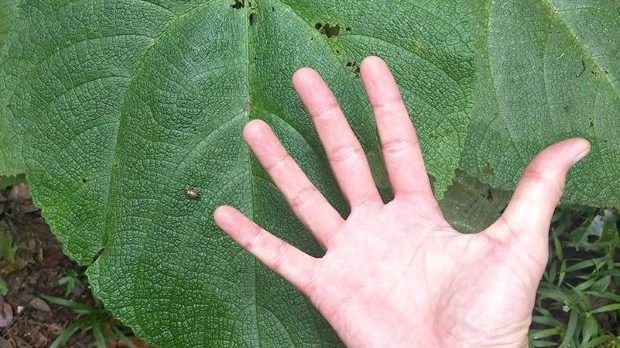
More of a shrub than a tree, the plant that gave Gympie its name in the language of the local Gubbi Gubbi people, meaning ‘a stinging tree”, injects a highly toxic venom into the skin of anyone unlucky enough to encounter its highly effective, but thoroughly unpleasant, defence mechanism.
While not deadly, the stinging, burning sensation, excruciating initially, has been known to linger with its victims for longer than a month, even impairing nerve function in some rare cases, according to reports.
Now scientists from the University of Queensland are daring to get close to this thorny customer in the hope it will point the way to new, non-opioid pain relief.
The first step in the delicately handled mission, says Professor Irina Vetter, who leads the project with her team from UQ’s Institute for Molecular Bioscience, is to study how toxins in the venom of the Gympie-Gympie tree cause such intense, sustained pain.
And what they’ve discovered so far is nothing short of a new sensation.


Professor Vetter said the toxins – aptly named gympietides in earlier work by the team – interact with nerves after being injected by fine needle-like hairs on the leaves.
“The gympietide toxin in the stinging tree has a similar structure to toxins produced by cone snails and spiders, but the similarity ends there,” Vetter said.
“This toxin causes pain in a way we’ve never seen before.”
Toxins, Vetter said, mostly cause pain by binding directly to sodium channels in sensory nerve cells.
The UQ researchers, however, have found the gympietide toxin needs assistance to bind.
“It requires a partner protein called TMEM233 to function and in the absence of TMEM233 the toxin has no effect,” Vetter said.
Stay informed, daily
“This was an unexpected finding and the first time we’ve seen a toxin that requires a partner to impact sodium channels.”
The next phase of the project now involves the UQ team working to understand whether switching off this pain mechanism might lead to the development of new painkillers.
“The persistent pain the stinging tree toxins cause gives us hope that we can convert these compounds into new painkillers or anaesthetics which have long-lasting effects,” Vetter said.
“We are excited to uncover a new pain pathway that has the potential for us to develop new pain treatments without the side effects or dependency issues associated with conventional pain relief.”
Want to see more stories from InDaily Qld in your Google search results?
- Click here to set InDaily Qld as a preferred source.
- Tick the box next to "InDaily Qld". That's it.



