Shorten vows to chase predator providers out of NDIS system
Australia’s National Disability Insurance Scheme is here for the long-term, but the minister in charge says serious reform is essential to ensure it meets people’s needs.
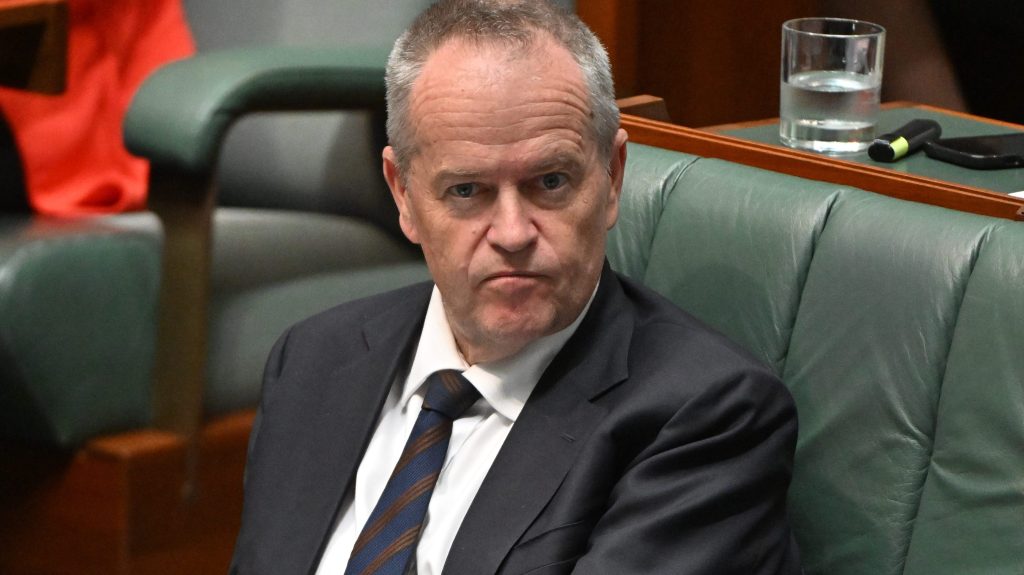
NDIS and Government Services Minister Bill Shorten will address the National Press Club on Tuesday to outline his plan to secure the future of the landmark disability scheme.
More than half-a-million Australians receive support from the NDIS, which was established almost 10 years ago by the Gillard government.
It’s on track to be one of the federal budget’s biggest expenses, with projections showing the NDIS will cost more than $50 billion by 2025/26, overtaking annual costs for Medicare.
But Shorten will argue one of the biggest issues facing the system is that it is too rigid.
“It throws up Kafkaesque barriers to access, lacks empathy, gouges on prices, is too complex and often traumatising to deal with,” he will say.


“As a consequence, people with disability often feel they are caught between some predatory providers on one hand and an impersonal government agency on the other.
“That must change.”
In October, Shorten ordered a review of the scheme to find opportunities to rein in spending, but he also wants reforms to improve the experience of participants.
“We must ensure that every dollar in the scheme gets to the people for whom the scheme was initially created,” he will say.
A fraud task force established in October already has 38 investigations underway involving more than $300 million in payments.
Shorten pledges to follow up every tip-off and prosecute every criminal taking advantage of the scheme.
Stay informed, daily
But the task force is not only trying to uncover criminal syndicates but also unethical practices by some NDIS providers who are tainting the reputations of quality services.
These include pressuring participants into services they don’t need, spending money contrary to plans and charging additional fees.
“Participants who have been preyed upon by these unscrupulous types have reported feeling ‘de-humanised’, exploited as ‘cash-cows’,” Shorten will say.
“We must improve the participant experience (and) we must make people’s lives easier rather than harder, because in the process we will reduce waste, inefficiency, and inflationary costs.”
Want to see more stories from InDaily Qld in your Google search results?
- Click here to set InDaily Qld as a preferred source.
- Tick the box next to "InDaily Qld". That's it.



