No time for radicals: Albanese calls for calm as country searches for its voice
Prime Minister Anthony Albanese says an Indigenous voice to parliament is not a radical idea which is why it is being opposed by radicals.
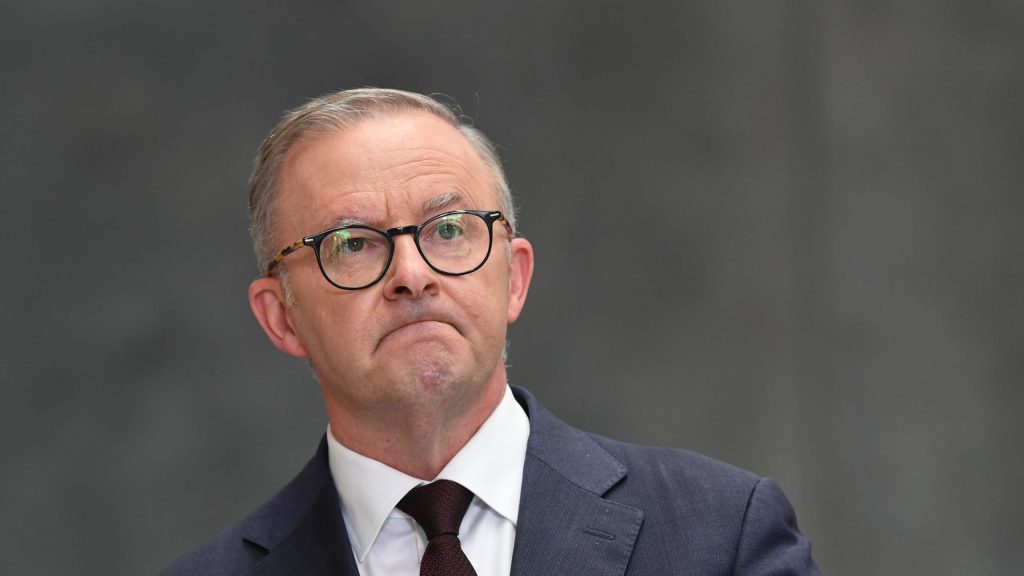
Albanese said the proposal for Indigenous recognition in Australia’s constitution was first raised last century and had gained wide-reaching, mainstream support.
“Across the country – every state premier, every chief minister – is supporting yes at this referendum because this is about progress going forward, it is about reconciliation,” he told reporters in Tasmania on Friday.
“I’m not surprised that some radicals are opposed to it, because this is a mainstream proposition.
“This is a modest and gracious request for reconciliation by Aboriginal and Torres Strait Islander peoples.”
Invasion Day rallies across the country swung the debate from changing the date to an Indigenous voice to parliament and a call for a treaty to come before constitutional recognition.
Tens of thousands of people attended the nationwide protests, where many prominent speakers campaigned against the voice, including Greens senator Lidia Thorpe.
You might like

Albanese said Australians would continue to be consulted and informed on the voice to parliament before a referendum was held.
“Recognition and consultation, that is what this is about,” he told reporters in Tasmania on Friday.
With the referendum expected to be held in the latter half of the year, Mr Albanese said there was time for Australians to become informed and to vote to advance reconciliation.
Parliament first needs to debate the proposed referendum legislation and it will be examined by a committee before voters head to the polls.
Albanese said it was unrealistic to think all Indigenous people would agree on the same thing, but the voice to parliament was something many had called for.
Indigenous health advocate Pat Anderson, a member of the Referendum Working Group, said the proposal was backed by First Nations people.
Stay informed, daily
Research conducted by the working group showed 80 per cent of Indigenous people surveyed wanted the reform.
“A lot of Aboriginal people are in fact the voiceless and they don’t have the huge megaphone that was used yesterday,” Ms Anderson said.
She said a voice to parliament was the only way governments would start listening to the needs of Indigenous people.
“There’s no other place for us to go to begin to deal with this disadvantage that plagues us, families, generation after generation,” she said.
“With a First Nations voice speaking with the protection of the constitution, governments of the day will be able to make better decisions about how to deal with this.
“A successful referendum will change the narrative of Australia.”
Liberal frontbencher Simon Birmingham warned polls had been wrong before and urged the government to provide more information about how the voice would work in practice.
“We are right to want to see and expect detail because that’s what Australians want when they go to vote,” he said.
“I’m very concerned that Australians are confused about what is being put forward and that the government is struggling to be able to address that level of confusion.”
Anderson said voters would be able to make an informed decision at the ballot box, but she urged people to also take time themselves to find out more about the proposal.
She said opposition to the voice on the grounds of a lack of detail was “mischievous”.
“It’s really up to the Australian public to as well as not be passive here and inform themselves,” she said.
“This is the most important decision this generation is going to make and it will speak to what kind of a country we are, so there’s a lot at stake.”
Want to see more stories from InDaily Qld in your Google search results?
- Click here to set InDaily Qld as a preferred source.
- Tick the box next to "InDaily Qld". That's it.