A stain on our map: Painstaking task of removing racist names picks up pace
Another offensive name has been dumped from a Queensland natural landmark and replaced with a First Nations word, prompting the question of how many racist slurs from history remain to be cleaned up.
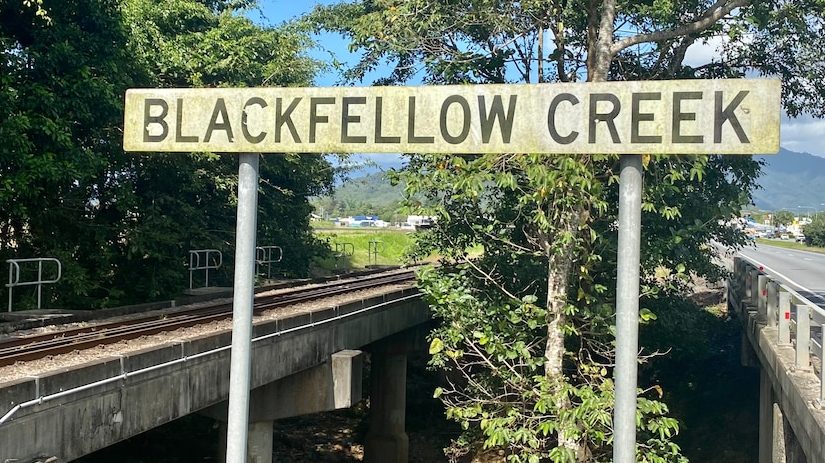
Black Gin Creek near Longreach has been officially renamed Watyakan Creek, removing a visible, vile reference to Aboriginal women but not the painful, visceral connection that the local Iningai and Bidjara people still have to the watercourse’s traumatic past.
Resources Minister Scott Stewart said the former name used racist language and was glad to have it consigned to history.
“The new name Watyakan Creek honours the cultural significance and history of the creek to the Iningai and Bidjara people,” he said.
“Watyakan (pronounced watch-a-kan) is an Iningai word for women’s creek and is a respectful way to pay tribute to those who historically camped near it.
“The former creek name is offensive, particularly towards First Nations women, and I’d like to thank the Longreach Regional Council for putting the name change proposal forward.”
Stewart’s department won’t confirm how many place names they view as problematic or if any extreme examples may exist on some type of government ‘hit list’ earmarked for urgent attention.
Presumably that is because any such change process needs to accord with the Place Names Act 1994, which has strict guidelines about place name changes and requires local input to trigger an investigation and to sustain extensive consultation with stakeholder groups including First Nations people and local governments.
Since the election of the Palaszczuk Government in 2015, five contentious place names have been changed, and another 10 have been discontinued.
You might like


In 2017, 10 places in north Queensland had their names discontinued, including:
- Niggers Bounce, a hill about 100km west of Charters Towers
- Mount Nigger, about 200km west of Cardwell
- Nigger Head, near the tip of Cape York
- Seven creeks named Nigger Creek.
In October 2020, the government renamed Black Gin Creek outside Rockhampton to Dundula, meaning gum tree in the language of the local Darumbal people.
Darumbal Elder Aunty Sally Vea Vea said at the time that 26 “Black Gin Creeks” remained in Queensland.
“Places called Black Gin Creek were areas commonly used by white men as places to rape and murder Aboriginal women,” Vea Vea told InQueensland.
“They are places that hold memories of terrible pain and suffering not just for Aboriginal women but also Aboriginal men, because these things happened to their family and they are not forgotten.”
InQueensland understands the government is looking to accelerate further name changes, starting with a review of the Place Names Act 1994 that would see officials adopt a more proactive posture in identifying offensive names before waiting for local groups to raise an issue.
Officials are apparently already scouring Queensland’s Place Names Register for racist names and is consulting with local communities and First Nations people to change contentious place names.
The probe to remove the racist slurs and formally recognise the traditional names of features and locations across the state will be an important part of the ‘truth telling’ associated with the Queensland Government’s Path to Treaty commitments.
Mick Gooda, who is the Treaty Advancement Committee co-chair, and central to the clean-up campaign, has moved to allay some unease that wholesale changes to place names were on the committee’s agenda.
Stay informed, daily
He told The Australian last year that he was against changing the names of the many ‘Boundary Streets’ – demarcation lines that were once used in many Queensland cities and towns to control the public movement of Aboriginal people – because they were “reminders of historical wrongdoing”.
A Ghungalu man from central Queensland, Gooda said other names should be changed or restored.
“An outcome of truth-telling will be to change names, and go back to the original names. I wouldn’t change a Boundary Street because it reminds people of certain things … but there are things that are offensive,” he said.
“Black Gin Creek’s pretty offensive, and Mount Wheeler outside Rockhampton was named after a guy that killed lots of people and led massacres.”
A spokesperson for the custodians of Iningai Country said changing Black Gin Creek to Watyakan was the right thing to do.
“The former name of the creek and the real reasons it was called that has its origins in a disturbing part of our local history,” they said.
“This name change is a step forward for the community into a more inclusive future.”
Watyakan Creek runs through Iningai Country and covers southeast of Ilfracombe before joining the Thompson River.
Stewart thanked those who took part in the name change consultation, which resulted in more than 120 submissions.
“Community consultation is essential in any decision-making process and provides a chance for everyone to have their voices heard,” he said.
“The Palaszczuk Government will continue to work with communities to use place names that embrace our First Nations people and their connections to country.”
The name change became official on Friday, January 13 after being published in the Queensland Government Gazette.
Want to see more stories from InDaily Qld in your Google search results?
- Click here to set InDaily Qld as a preferred source.
- Tick the box next to "InDaily Qld". That's it.



