Internet awash with crackpot conspiracies; Police murders just scratching the surface
The shooting deaths of six people during an ambush in Queensland should be a wake-up call for Australians about the real-world dangers posed by online conspiracy theories, analysts say.
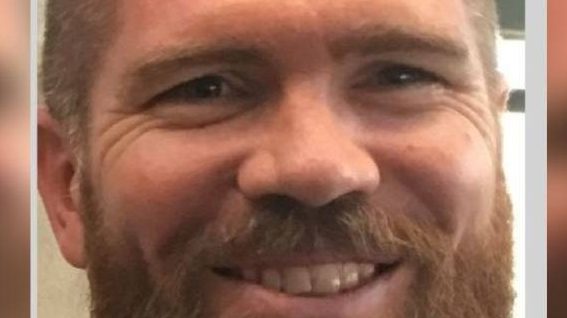
Online posts in the name of Gareth Train, one of three shooters who killed two police and bystander, have been under police and media scrutiny since Monday’s siege at Wieambilla, in rural Queensland.
The comments featured a myriad of conspiracy material about Jesuits and vaccines, as well as claims high-profile shootings were hoaxes or false-flag operations.
Conspiracy theories have existed for centuries and tend to ramp up during periods of intense societal change or uncertainty, such as the Covid-19 pandemic.
However, there’s growing concern the current peak will never ease.
Katharine Gelber, from the University of Queensland, says one reason for this is the attention-based business model of social media.
Algorithms have to present users with increasingly extreme material to keep them logged on.
Bots are also spreading conspiracies wider and more rapidly, she says.
You might like


“The new conspiracism relies on people saying, ‘well, I heard it or I saw it on Facebook’ or ‘people have said’,” Prof Gelber told AAP.
Elise Thomas, a senior online data analyst at the Institute for Strategic Dialogue, says unregulated apps such as Telegram allow multiple theories to blend into overarching conspiratorial world views.
“You see a lot of cross-propagation between different kinds of conspiracy narratives, from different countries, in different contexts, all sort of stewing together in this sort of very confusing soup of suspicion,” she says.
As well as the risk of physical violence, Thomas says, conspiracy theories are a growing mental health and social issue.
“For the vast majority of people who are really sucked into this, the people they hurt the most are themselves,” she says.
“It does incredible damage to people’s mental health and their personal lives, their relationships, they become cut off from their family and their friends.”
Gelber says it’s crucial that governments, societies and individuals don’t simply hope the problem goes away.
“It’s quite clear that otherwise ordinary people are being pulled into the orbit of conspiracy theories in ways that are very dangerous, and we’ve just seen the latest manifestation of that in Queensland,” she said.
Stay informed, daily
Professor Daniel Angus, a computational social scientist at the Queensland University of Technology, says tech companies are failing to effectively crack down on misinformation.
“For all of the outward rhetoric, it seems like the platforms at the moment aren’t interested in actually making this stuff disappear,” he says.
But regulating conspiratorial material is difficult, Griffith University expert Dr Harley Williamson says, as authorities will be arbitrating facts.
She says working out when to intervene with users who are at risk of acting in the physical world is even more difficult.
At an individual level, the best people can do is try to understand why their friends, family and community members have ventured down a conspiracy rabbit hole, analysts say.
Some people feel completely excluded from the democratic decision-making process and let down if the media fails to take up their grievances.
Others soothe their social exclusion or isolation from the mainstream by being accepted and having their views validated by fringe groups.
Making people feel open and comfortable to talk about their views is important, Williamson says, even if you disagree with them.
“I still think that having some kind of open dialogue is really important,” she says.
Angus says people should also ask questions of friends and family to work out what social void is being filled by a conspiracy group.
“Everyone’s got probably a family member or significant other that may have trended down this path and so those conversations are going to be important,” he says.
The analysts all agreed it’s vital to keep in contact with people who are involved in conspiracy circles and not let them become isolated and withdrawn.
Curtin University’s Ben Rich says after two years of arguing about the pandemic, it’s tempting to walk away from people you disagree with – but it’s vital to remain connected.
“Don’t end up being another grievance or abandonment for those people, because often they’re going to look for it someplace else, they’re going to find spaces that will make up for it, and often there is a real cost that comes along with that,” he said.
Want to see more stories from InDaily Qld in your Google search results?
- Click here to set InDaily Qld as a preferred source.
- Tick the box next to "InDaily Qld". That's it.



