Are we heading for an insect apocalypse? These scientists think so
Leading international scientists have expressed profound concern about an emerging insect ‘apocalypse’ and what it might mean for life on earth.
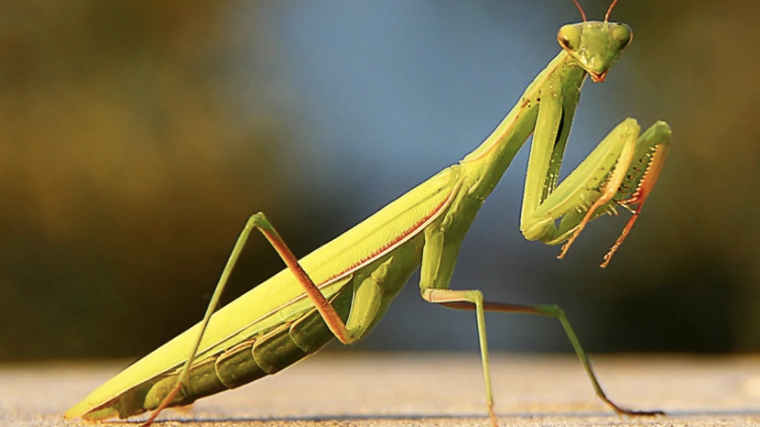
In a major new study, more than 70 experts say there’s mounting evidence that insect populations are in rapid decline.
It’s an alarming assessment given insects underpin the global food chain, both as prey but also pollinators for the world’s food crops and other plants.
“These declines are considered to be of profound concern, with terms like an emerging ‘insect apocalypse’ being increasingly used by the media and even some scientists to describe this phenomenon,” the study says.
“If no action is taken to better understand and reduce the action of climate change on insects, we will drastically reduce our ability to build a sustainable future based on healthy, functional ecosystems.”
Insects are particularly vulnerable to climate change because the vast majority can’t regulate their body temperature, increasing the danger when temperature and moisture levels change.
You might like

Heatwave conditions, which are increasing as the climate warms, can kill insects en masse. Even those that survive can have problems with reproduction and fertility.
It’s not any better when insects are caught up in extreme rain and floods.
The direct effects include displacement and drowning but floods can also change the chemistry of waterlogged soils, turning them into killing zones for soil-dwelling insects.
Insects are also suffering the effects of pollution and the deliberate use of agricultural chemicals to protect commercial food and other crops.
Stay informed, daily
James Cook University Distinguished Professor William Laurance co-authored the paper and says humans have an enormous amount to lose if a ‘great vanishing’ of insects is allowed to occur.
“Look, for instance, at the proportion of human crops that are pollinated by insects. That’s huge,” he says.
Then there are the pest control services that predatory insects provide by eating other insects that do harm to human health.
“And insects are the basis of a lot of food chains. So many species of birds, and mammals, and reptiles and amphibians feed on insects either partially or exclusively.”
Laurance says insects need the same thing as every other life form currently in trouble on a degraded and warming planet.
“Try as we might we’re not going to stop climate change today. We’re not going to stop it tomorrow, so we have to focus on making ecosystems more resilient.
“The best way we can do that is by limiting habitat fragmentation, limiting habitat destruction. We need to limit the impacts of other environmental changes so they’re not getting caught in these synergisms between climate change and local environmental threats.
“We know how to do it, but the decision making and requisite funding keep getting pushed down the road.”
Want to see more stories from InDaily Qld in your Google search results?
- Click here to set InDaily Qld as a preferred source.
- Tick the box next to "InDaily Qld". That's it.