Heard about the itchy fish who used a shark as a scratching post?
If you were a fish with a terrible itch, and no hands or feet to assist, oh what would you do to get out of this stew, to make the itch cease and desist?
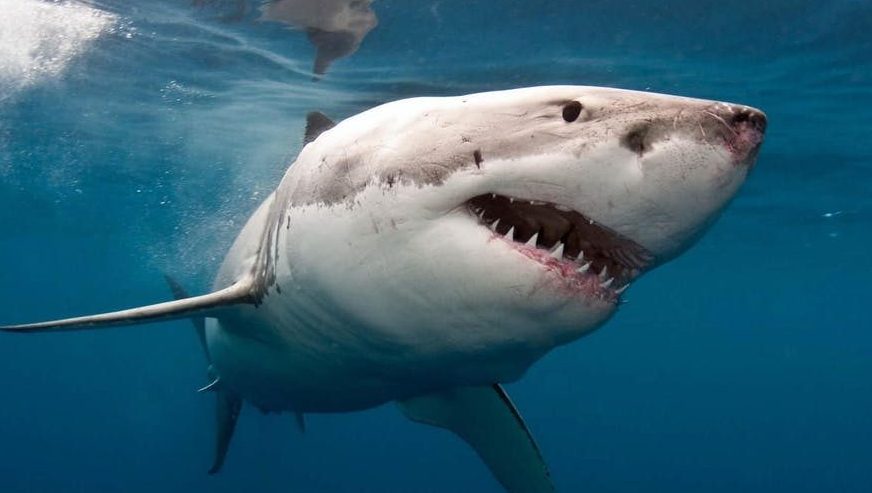
It turns out ambushing sharks is the answer.
Yes, that’s right. Fearless ocean-going fish desperate for relief routinely chase down their predators and use them as scratching posts.
It sounds like a high-risk solution, but marine ecologist Dr Chris Thompson, who’s just documented the behaviour off Western Australia, says the sharks don’t seem to mind and he’s yet to witness a fish fatality.
“If you think about it, if you’re offshore, there’s not really anything to scrape against,” he says.
“In inshore environments, sometimes fish will scrape against the sand, or against rocks, there’s one paper that documents them scraping against turtles. And there are cleaner wrasses in reef environments that take dead skin and parasites off fish.
You might like


“But offshore, if you don’t have any hands, and you don’t have anyone else to scratch your back, I guess those nice, sandpapery sharks become a bit more attractive.”
Thompson, who has also documented the behaviour off Ascension Island in the South Atlantic and off Mexico’s Pacific coast, says different fish have distinctly different techniques to get what they want and avoid the toothy end of the shark.
“The tuna were actually really orderly. They’d always come up from behind the shark, fairly quickly, and stop and hold position just behind the tail.
“They seemed to be waiting until the tail was in the perfect position, then they’d speed up again and rub the side of their head or undersurface against the tail and shoot out to the side, away from the shark.”
Stay informed, daily
“If there were multiple tuna they’d go back to the end of the queue, and start lining up again.”
But rainbow runners lacked any sense of decorum.
“They were quite unruly. They’d just kind of form a school around the back half of the shark and they’d dart out and hit different parts – still at that back portion of the shark though, away from the head.”
Thompson says the sharks didn’t seem to mind, and he has a couple of theories about that.
One is that schooling fish species are often around sharks, the other is that footage of the behaviour was taken using baited cameras, so the sharks may have been focused on the chum in the water.
Since Thompson wrote the paper, researchers around the world have started sharing stories about fish doing the same thing.
Their determination to bump their heads, eyes, gills and sides against the sharks strongly indicates the behaviour is about dislodging parasites, because that’s where fish typically carry them.
The paper has been published in the journal PLOS ONE.
Want to see more stories from InDaily Qld in your Google search results?
- Click here to set InDaily Qld as a preferred source.
- Tick the box next to "InDaily Qld". That's it.



