Call for global research into reef fish as climate change bites
As ocean temperatures continue to rise, scientists are calling for a global approach to climate-related reef research.
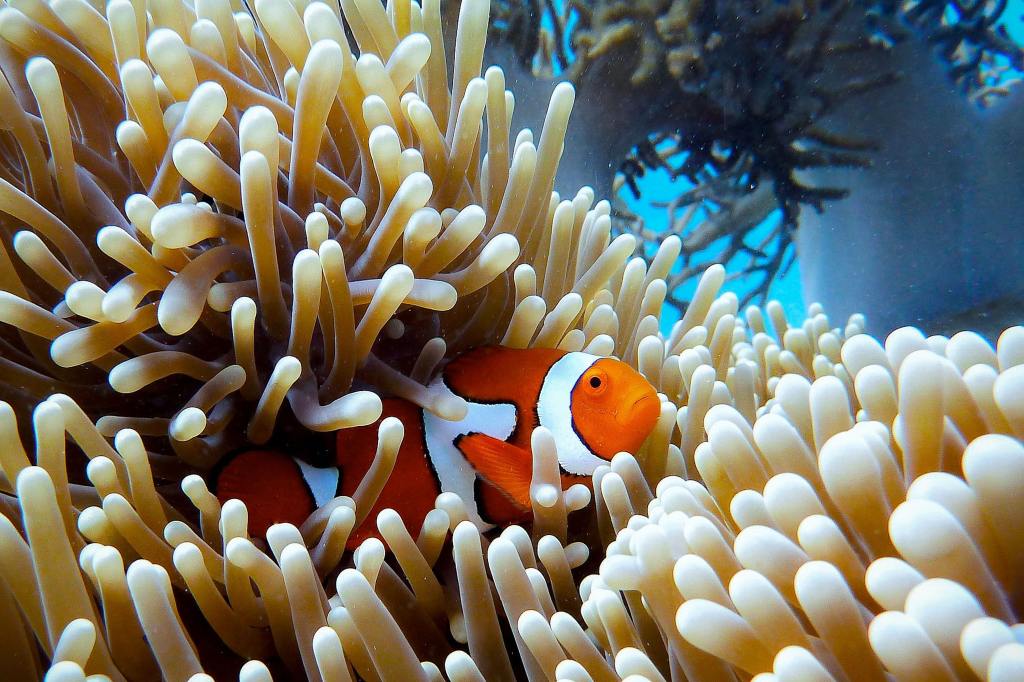
Australian researchers have been tracking the country’s reef populations for more than a decade and say warmer water affects tropical and temperate reef fish communities differently.
“We specifically considered the fishes that live on reefs … and also maintain the natural ecological function of the reefs,” said Professor Rick Stuart-Smith, a marine ecologist at the University of Tasmania.
Australian Reef Life Survey data was combined with global data from two other major reef monitoring programs.


“The two other data sets we used are among the longest-running of any reef biodiversity monitoring programs globally,” Stuart-Smith said.
The study examined habitat change, including coral bleaching and temperature fluctuations, and found that impacts varied depending on the reef’s location.
You might like
Fish on temperate and subtropical reefs appeared to show signs of temperature change more, and tropical reef fish seemed to be more affected by habitat change.
After a 2011 marine heatwave warmed waters in southwestern Australia, temperate reefs experienced an influx of tropical fish, while a loss of coral and kelp cover reduced unique fish populations.
Habitat degradation in northeastern Australia led to fish populations dominated by generalist species, rather than niche species adapted to specific habitats.
Stuart-Smith hopes the research will encourage more widespread, standardised and co-ordinated local research, which can then be better used to evaluate global trends.
“Climate change clearly has a huge impact on marine biodiversity, with changes we observed around the Australian continent over short time scales indicating that much larger changes are likely over the next half-century as ocean warming progresses,” he said.
Want to see more stories from InDaily Qld in your Google search results?
- Click here to set InDaily Qld as a preferred source.
- Tick the box next to "InDaily Qld". That's it.