Cruel to be kind: Reserve says rate hikes will help homebuyers
It takes around two years for elevated interest rates to dampen house prices enough to offset higher mortgage repayments, a senior RBA official says.
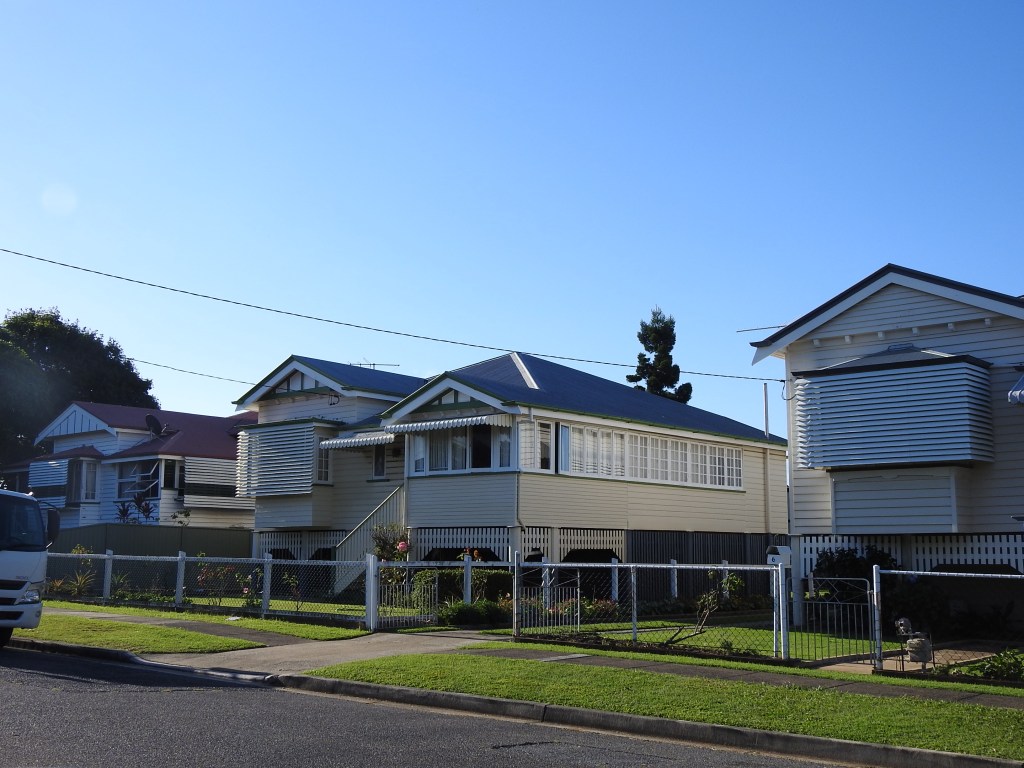
Interest rate hikes diminish the amount buyers can borrow, which the Reserve Bank of Australia’s head of domestic markets Dr Jonathan Kearns said rate hikes worked to reduce demand for housing and subsequently pushed dwelling prices down.
He said over time, higher mortgage repayments are offset by shrinking loan sizes as house prices start to decline.
“Estimates suggest the net effect is that mortgage payments for new buyers would be higher for about two years as a result of higher interest rates,” he said at Australian Financial Review’s property conference in Sydney.
“But after that, the declines in housing prices and mortgage size begin to dominate.”
He said the modelling was highly conditional and did not take into account the many other factors that cause the property market to fluctuate.
You might like


Kearns also outlined the bank’s efforts to measure the property market’s sensitivity to rate hikes, and said a 200 basis point increase in interest rates would lower housing prices by around 15 per cent in two years.
The bank has already lifted interest rates by 225 basis points since May.
Kearns said this was not a prediction of where the market would end up but rather an estimate of how sensitive house prices are to interest rates, imagining there were no other factors driving the property market.
“Many factors other than interest rates also influence housing prices,” he said.
Stay informed, daily
“For example, the demand for housing would be greater with stronger household income growth, increased population through immigration, or a preference for fewer people living in each household.”
He also said only 10 per cent of borrowers take out the maximum loan possible, meaning a reduction in borrowing capacity is not felt as keenly as some expect.
“For many borrowers, the amount they spend on a new home would decline only slightly or not at all, including because their savings to be used as a deposit need not decline with higher interest rates.”
He said rate rises would hit some parts of the housing market harder than others, with the premium end of the market likely to decline faster.
“…controlling for other factors, interest rates can have larger effects on housing prices in locations where the supply of housing is less flexible, mortgage debt is higher, there are more investors and incomes are higher,” he said.
Kearns also said there was evidence apartments were more resilient to interest rate changes, with the limited supply of available zoned land partly explaining this phenomenon.
While he noted this may help to close the gap between wealthy households and poorer households by disproportionately dragging down premium house prices, he said this effect was likely to be only fleeting as “the effects of interest rates on more expensive and cheaper properties converge over time”.
Want to see more stories from InDaily Qld in your Google search results?
- Click here to set InDaily Qld as a preferred source.
- Tick the box next to "InDaily Qld". That's it.