Savings start to fall as households drive economic growth
Australia’s economy grew by 0.9 per cent in the June quarter and 3.6 per cent for the year, as it emerged from the pandemic lockdowns.
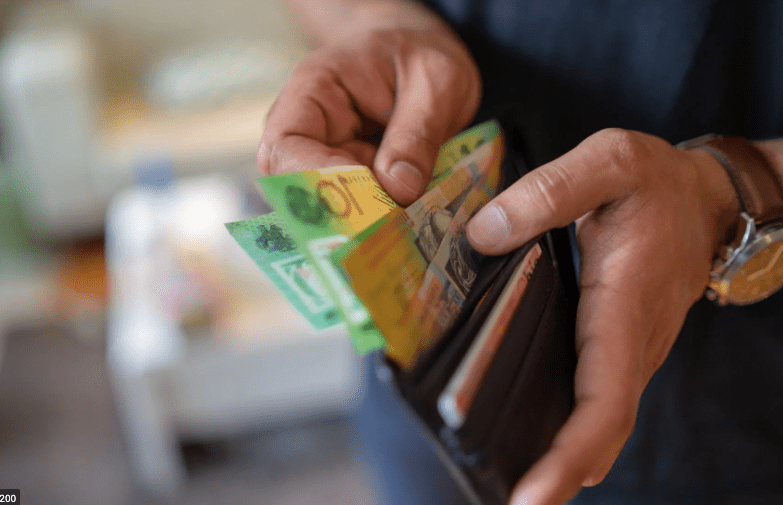
The Australian Bureau of Statistics said household spending drove the growth with a 2.2 per cent increase and much of that was on travel related categories such as transport, hotels, cafes and restaurants.
Exports were at the highest level since September 2000 when tourism for the Sydney Olympics boosted income.
However, Treasurer Jim Chalmers said the encouraging headline figure “doesn’t tell the whole story”.
“In the two months since the end of the June quarter, we’ve seen a deteriorating global growth outlook, continuing labour shortages, and rising interest rates.
“(They) are straining businesses and households and creating headwinds for our economy over the year ahead,” Chalmers said.
You might like


Household savings fell for the third quarter as spending proved greater than income.
“Households were continuing to save but at a declining rate over the past three quarters,” the ABS said.
The household saving to income ratio was now 8.7 per cent, the lowest since the start of the Covid restrictions, but it was still above the pre-pandemic levels.
The savings reached 23.7 in June 2020.
Stay informed, daily
The high savings rate has been cited as the reason many Australians have been able to cope with increased interest rates.
Among the industries, the services sector was the big growth driver.
IFM economist Alex Joiner said while the resurgent household sector drove growth, dwelling investment, private sector investment and public demand combined added nothing, which was “somewhat concerning that the economy is clearly not firing on all cylinders”.
A rise in commodity prices also helped growth.
The ABS said the terms of trade rose 4.6 per cent in the quarter with export and import prices up strongly.
“Ongoing supply chain issues and global uncertainty continued to drive demand dor Australia’s mining and rural commodities,” the ABS said.
Want to see more stories from InDaily Qld in your Google search results?
- Click here to set InDaily Qld as a preferred source.
- Tick the box next to "InDaily Qld". That's it.