Reserve Bank reaches for the big stick with biggest interest rates jump in 20 years
Homeowners will be hit with higher interest rates after the Reserve Bank today increased its benchmark cash rate by another 0.5 per cent and claimed that inflation was not yet under control.
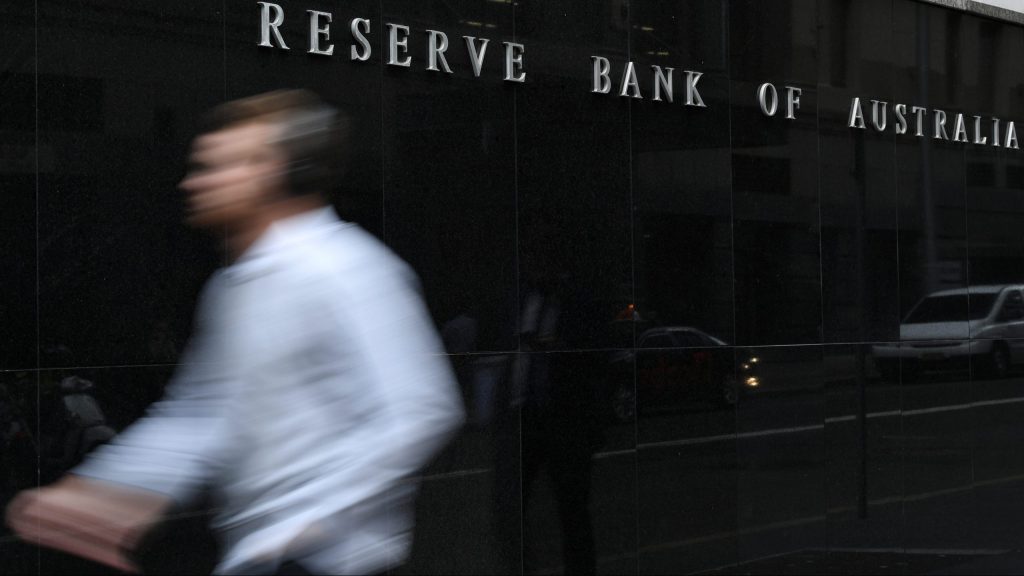
The increase in the cash rate to 0.85 basis points was much higher than expected and the largest single increase since 2000.
Economists said the language from the RBA in explaining the rate hike showed it remained “hawkish” about attacking inflation.
RateCity said someone on a 25-year $500,000 mortgage paying the average owner-occupier variable rate of 2.89 per cent would have a new interest rate of 3.61 per cent after hikes in May hike of 25 basis points and today’s increase.
“Their monthly home loan repayments would increase from $2335 in April to $2532 after the June hike. This is an extra monthly repayment of $197 after this hike,” RateCity said.
RBA Governor Philip Lowe the board acted because inflation in Australia had increased significantly and was likely to go higher until global supply chain issues were resolved and commodity prices stabilised.
The futures market was still pricing in interest rate hikes of another 200 basis points this year and Lowe said inflation was expected to continue to climb to 7 per cent later this year.
However, he said there was uncertainty about how household spending would evolve as higher prices ate into retained savings and real estate prices in places like Sydney and Melbourne started to fall.
“While the central scenario is for strong household consumption growth this year, the board will be paying close attention to these various influences on consumption as it assesses the appropriate setting of monetary policy,” he said.
“While inflation is lower than in most other advanced economies, it is higher than earlier expected. Global factors, including COVID-related disruptions to supply chains and the war in Ukraine, account for much of this increase in inflation.
“But domestic factors are playing a role too, with capacity constraints in some sectors and the tight labour market contributing to the upward pressure on prices. The floods earlier this year have also affected some prices.
“Inflation is expected to increase further, but then decline back towards the 2 to 3 per cent range next year. Higher prices for electricity and gas and recent increases in petrol prices mean that, in the near term, inflation is likely to be higher than was expected a month ago.
“As the global supply-side problems are resolved and commodity prices stabilise, even if at a high level, inflation is expected to moderate. Today’s increase in interest rates will assist with the return of inflation to target over time.”
The RBA said the Australian economy was resilient, growing by 0.8 per cent in the March quarter and 3.3 per cent over the year. Household and business balance sheets were generally in good shape, an upswing in business investment was underway and there was a large pipeline of construction work to be completed.
It said the labour market was also strong.
“The bank’s business liaison program continues to point to a lift in wages growth from the low rates of recent years as firms compete for staff in a tight labour market,” it said.
“One source of uncertainty about the economic outlook is how household spending evolves, given the increasing pressure on Australian households’ budgets from higher inflation. Interest rates are also increasing.
“Housing prices have declined in some markets over recent months but remain more than 25 per cent higher than prior to the pandemic, supporting household wealth and spending. The household saving rate also remains higher than it was before the pandemic and many households have built up large financial buffers.
“The board will also be paying close attention to the global outlook, which remains clouded by the war in Ukraine and its effect on the prices for energy and agricultural commodities.
“Real household incomes are under pressure in many economies and financial conditions are tightening, as central banks withdraw monetary policy support in response to broad-based inflation. There are also ongoing uncertainties related to COVID, especially in China.”
You might like


Want to see more stories from InDaily Qld in your Google search results?
- Click here to set InDaily Qld as a preferred source.
- Tick the box next to "InDaily Qld". That's it.