The little town that could: Goondiwindi hits the gas to fast-track hydrogen
Goondiwindi has a plan to turn wastewater into hydrogen, providing cleaner energy and relief from soaring power bills.
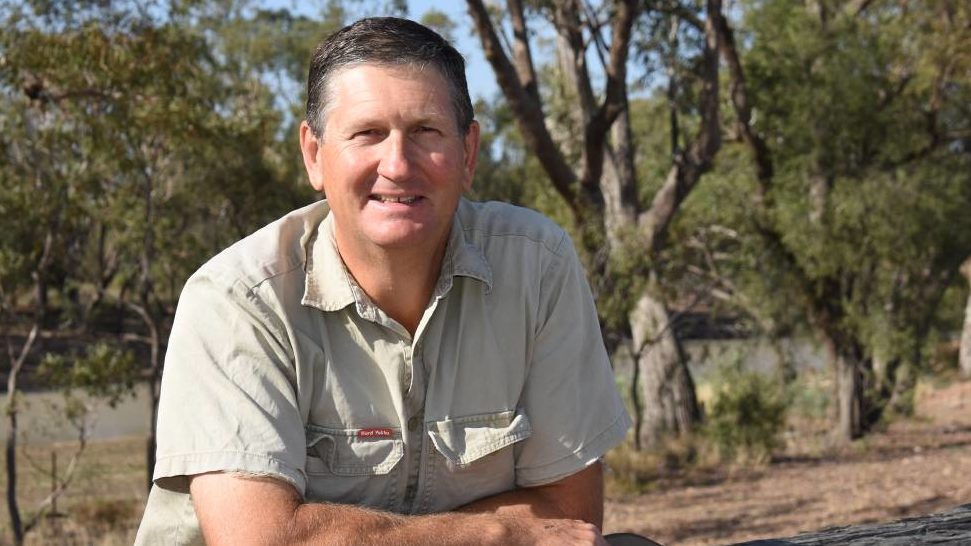
The region’s mayor, Lawrence Springborg, said the project had the potential to put the Queensland-NSW border town at the forefront of renewable solutions and save ratepayers tens of millions of dollars.
With $2 million in funding from the Queensland Government’s Hydrogen Industry Development Fund (HIDF) secured, Springborg is confident his district will be one of the first areas in Australia to produce and utilise hydrogen for local use.
“We’re very excited as we’ll be one of the first councils in the country to expand into renewable hydrogen production specifically for the local economy,” Springborg said.
The proposed project will pioneer the integration of hydrogen production with wastewater treatment.
The new hydrogen production facility at the Goondiwindi wastewater treatment plant (WWTP) would use electrolysis, generated by a new 2.5 megawatt (MW) solar plant, to break down the wastewater into hydrogen and oxygen.
The hydrogen would be sold on to local businesses, including processors of agricultural commodities and heavy industry, as an alternative energy source.
You might like

Springborg said the oxygen by-product would go back into aerating the wastewater, improving the WWTP’s efficiency and providing a cleaner operation at a lower cost.
He said the trailblazing project would enable a dramatic cost reduction in future critical infrastructure investment and help to “future-proof” the WWTP in Goondiwindi.
“It’s an innovative way of turning what was a waste product into a renewable energy source for local industry, while increasing the quality of our wastewater treatment,” he said.
“It’s a win-win for residents, as the project will extend the life and efficiency of our WWTP while saving ratepayers potentially tens of millions in costs of replacing existing aging infrastructure, as well as reduce ongoing operational expenses.”
It is estimated the project could produce and supply up to 1350 tonnes of hydrogen a year to local industry including cotton gins, feedlots and manufacturing companies.
As global demand for hydrogen continues to grow, Springborg said his council already had received interest in more hydrogen than the project was originally planning to produce.
Stay informed, daily
“As is becoming abundantly clear, hydrogen is a fuel of the future with growing demand for hydrogen and other renewables,” he said.
“This project will put the Goondiwindi region at the forefront of that technology, and I have already received numerous enquiries from other councils.
“This model, and the opportunity for public-private partnership, could be transformational for local government.”
Goondiwindi Regional Council is pursuing the project in partnership with the Hydrogen Collective (H2C) and the Queensland University of Technology (QUT).
Council has allocated $3.5 million towards the upgrades required at the Goondiwindi WWTP for the project, with the remaining private sector funding now confirmed.
H2C would manage the production and sale of the project’s hydrogen and has already consulted with several large industrial businesses in Goondiwindi who have shown interest in using hydrogen.
Want to see more stories from InDaily Qld in your Google search results?
- Click here to set InDaily Qld as a preferred source.
- Tick the box next to "InDaily Qld". That's it.