Community urged not to ignore signs of domestic abuse
Following the inquest into the deaths of Hannah Clarke and her three children, a Griffith domestic violence expert says friends, neighbours and strangers alike must become active bystanders if we are to reverse what is a growing trend.
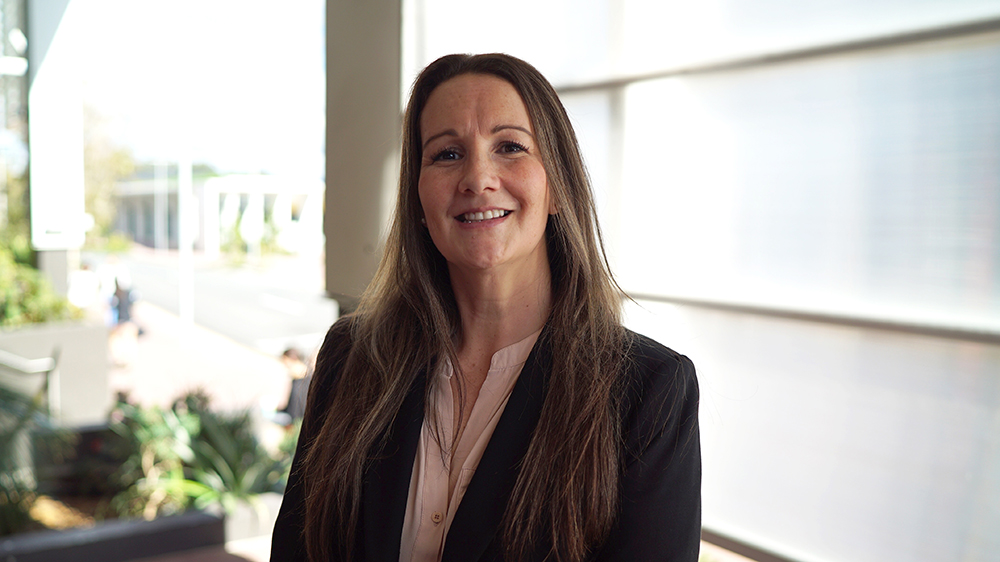
Griffith University’s Motivating Action Through Empowerment (MATE) Bystander Program Director Shaan Ross-Smith said getting involved doesn’t always come naturally, but it could make all the difference.
“As a society we have to start unlearning all of the rules we’ve been taught in life around not getting involved, not speaking up and minding your own business,” she said.
“Let go of all of those rules that govern us, the rules that are unhelpful, and relearn or learn new techniques about getting involved, and being that effective bystander.”
The MATE Bystander Program has been found to be highly effective in empowering people to actively contribute to eliminating violence and coercive control.
A recent evaluation by the Australian Council for Educational Research (ACER) showed more than three in five participants surveyed since taking part in the program had since become active bystanders by intervening when they saw, heard or sensed something wasn’t okay.
“The issue that victims often face is that people back away, they say this is too complex for me, it’s too challenging, I’m backing away,” she said.
You might like


“What that does is revictimize the victim.
“So stay close, stay connected, ask them what they need. Lead from the gut, lead from there.
“Our program empowers participants to become leaders and active bystanders in the community to prevent violence.
“We challenge the root attitudes, beliefs and behaviours that normalise violence against women, inequality, racism, discrimination and bullying within our society.”

ACER researchers surveyed 76 participants in Train the Trainer sessions and interviewed 10 key stakeholders, including program staff and relatives of those killed by their partners, four facilitators and 10 prior program participants. Griffith also provided feedback collected from 569 program participants.
Stay informed, daily
ACER Research Director Sarah Richardson said 90 per cent of respondents reported feeling more confident about intervening to stop problematic behaviour after the program and that half of them had directly intervened to stop it.
“More than three in five survey respondents have become active bystanders since participating in the program,” Dr Richardson said.
“This action ranged from making their home or community more equal to speaking to someone about their problematic behaviour.
More than 95 per cent of prior participants reported better understanding the necessity of bystander action to prevent violence against women, while between 88 and 100 per cent reported knowing what to do when confronted by a difficult situation.
Eighty-eight per cent of survey participants reported having discussed issues included in the program with their friends or family, with a 74 per cent increase in the proportion who ‘knew a lot’ after the workshop.
Almost all (92 per cent) survey respondents reported the program helped them to better recognise problematic situations. More than 60 per cent of respondents, who had since facilitated training themselves, reported they had been approached by colleagues wanting to learn more and have seen or heard about people in their organisation becoming active bystanders.
“We were really impressed by the extent to which program participants reported being profoundly positively impacted by their involvement,” Dr Richardson added.
Connect with the team to learn more about the Griffith MATE Bystander program and how you can be someone who does something here.

Want to see more stories from InDaily Qld in your Google search results?
- Click here to set InDaily Qld as a preferred source.
- Tick the box next to "InDaily Qld". That's it.



