Reef hit with bleaching event ahead of crucial world heritage meeting
The Great Barrier Reef has experienced another bleaching episode described as widespread but variable and ranging in impact from minor to severe.
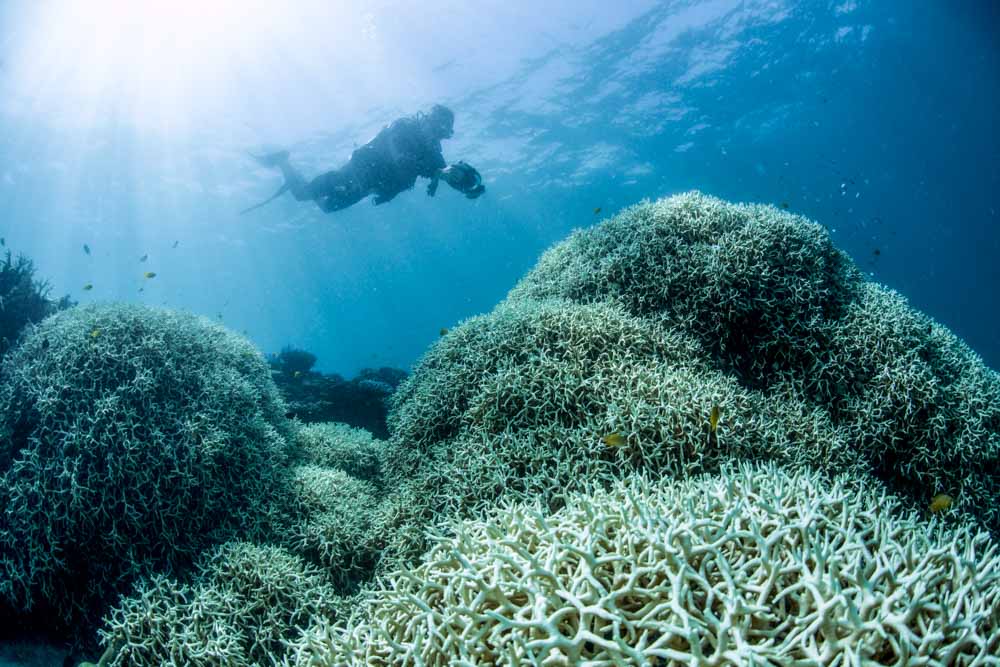
The Great Barrier Reef Marine Park Authority said most observations of bleaching had been of “paling or fluorescing but several locations have whole colonies bleached white”.
“This is consistent with patterns of heat stress experienced on the reef this summer. The most heavily impacted reefs are around the Townsville region.
“There have also been reports of early mortality where the heat stress has been greatest.”

The reef has previously had bleaching events in 1998, 2002, 2016, 2017 and 2020.
Australian Conservation Foundation chief executive Kelly O’Shanassy said Queensland has had its hottest March on record and its third heatwave of the summer.
You might like
“These repeated bleaching events have hit the tourism industry hard and are a blow to everyone who loves this incredible natural wonder, which is home to a vast array of fish, turtles, sharks, octopus, squids and other sea creatures,” she said.
“The ongoing digging up and burning of coal, oil and gas is overheating the atmosphere and the ocean, damaging the reef’s sensitive coral through all-too-frequent bleaching events.
“Only urgent action on climate change will give the reef a chance to survive.”
Next week a team from the United Nations will begin a 10-day monitoring mission on the reef ahead of a meeting of the World Heritage committee in June.
“If the Morrison government wants to avoid an ‘in danger’ listing for the reef, it must strengthen its climate targets and policies in line with the science,” O’Shanassy said.
Want to see more stories from InDaily Qld in your Google search results?
- Click here to set InDaily Qld as a preferred source.
- Tick the box next to "InDaily Qld". That's it.