Crackdown on social media influencers spruiking health products
Social media influencers will be banned from giving testimonials on health products and services under the Therapeutic Goods Administration’s advertising code.
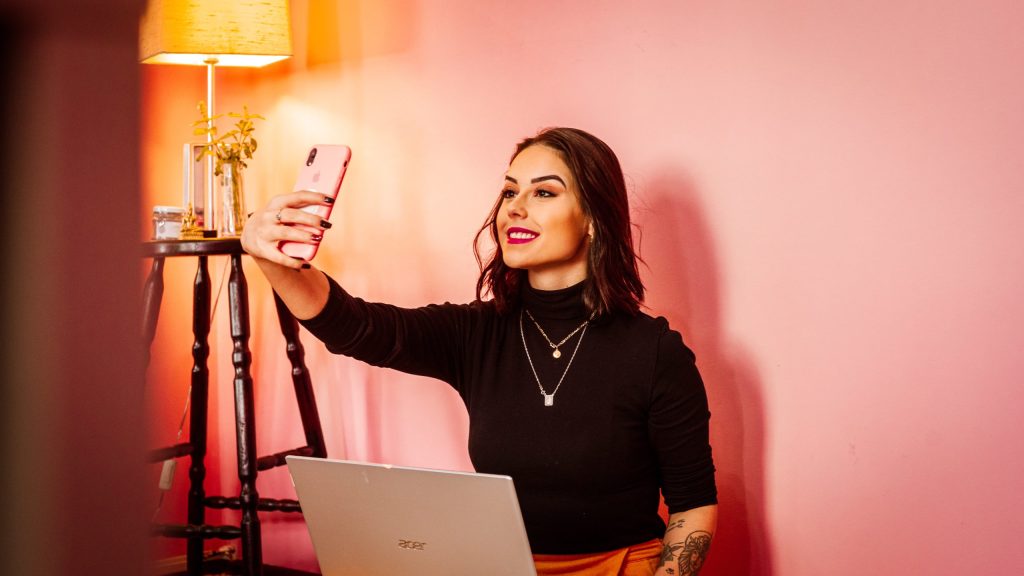
The influencers will need to follow rules preventing them from expecting cash and gifts in return for their personal opinion when promoting health products on social media.
Under changes to the TGA’s advertising code, from July 1 influencers will have to abide by strict rules when posting about health products and services, including medicines, vitamins and skincare.
They will be banned from giving personal comments or testimonials on health products that haven’t been tested or approved, whether they have been paid or given the product for free.
The rules will apply to therapeutic use, which includes cosmetic claims such as “removes toxins” and “fades age spots”, as well as “relieves pain”, “aids sugar metabolism” and “reduces inflammation in the body”.


Influencers can still endorse products but must disclose that it is advertisement, for example by including the words “paid partnership” or #Ad.
Murdoch University social media researcher Catherine Archer said the TGA ruling was “long overdue” but there was already pushback from influencers.
“Unfortunately for the influencers, health and related products/services are where many of them make a lot of their money, so there will be pushback,” she said.
“Already we have seen some say that they should be paid for things like sunscreen as it is a ‘community service’.
“Having researched this space for 10 years, and recently conducting interviews with influencers who have been working in that space for the same length of time, the need for more enforceable guidelines is obvious.”
Stay informed, daily
Menzies Health Institute Queensland principal research fellow Lauren Ball said the TGA’s decision revealed the importance of credible, evidence-based information when it comes to health.
“We have large workforces of health professionals, like dietitians and GPs, who are certified to practise safely in this space,” she said.
“Influencers sharing unsubstantiated claims in the form of click bait are dangerous, and prevents Australian’s from seeking professional help.”
Want to see more stories from InDaily Qld in your Google search results?
- Click here to set InDaily Qld as a preferred source.
- Tick the box next to "InDaily Qld". That's it.



