Signs of life: Reef counts down to annual coral spawning
Scientists have set off to witness the “Everest of reproduction” on the Great Barrier Reef, a spectacular coral spawning event due to get underway this week.
Among them is veteran marine biologist Gareth Phillips, who is hopeful the Reef can return to its former glory within a decade.
Mr Phillips has led an eight-strong crew off the far north Queensland coast to monitor the event which occurs along the 2600km reef annually.
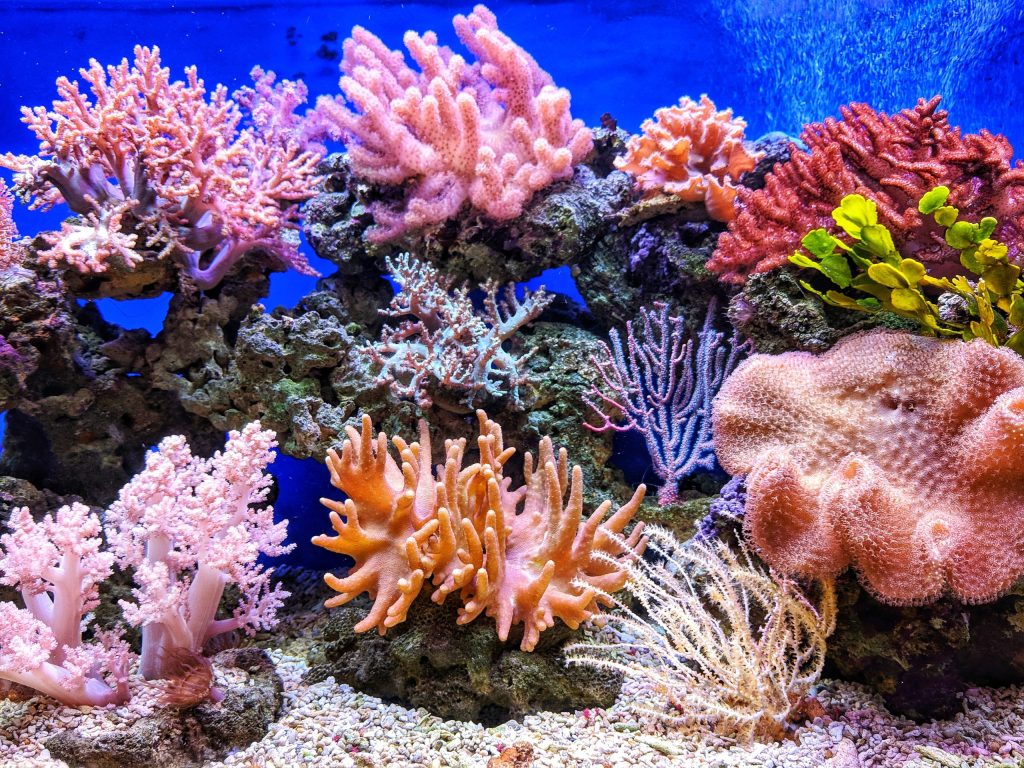
In a spawning event, coral project trillions of sperm and eggs for fertilisation in what Phillips describes as “an explosion of colour”.
It is set to occur on the reef off Cairns during a 72 hour window this week depending on weather, current and water temperature.
Coral species spawn on different nights, with some events lasting up to three hours.
You might like

Phillips – who has 20 years’ experience and researched the reef for a decade – says the crew will record and study three reef areas to see which species is regenerating.
“It is like an annual stocktake of what species are spawning,” he told AAP.
“It’s the Everest of reproduction in nature.
“It is a magical experience to see big boulder corals smoking as they release their spawn or beautiful soft coral spaghetti waving and releasing tiny pink balls.”
Stay informed, daily
Research released this month painted a grim picture for the world’s largest coral reef system.
A James Cook University study found less than two per cent of the system’s coral reefs had escaped bleaching – caused by rising ocean temperatures – since 1998.
But Phillips said the spawning event would renew hopes the reef could flourish again.
“Coral spawning is a sign that the ecological process that sustains reefs is still intact,” he said.
“If we get some spawning, or lots of it, it is a sign that there is recovery underway, that the system is working.
“It (reef) has got a lot of pressures, we are not denying that, but it (spawning) can give us reassurance that the reef is recovering.”
Asked if it could return to the healthy reefs that were prevalent before 1998, Mr Phillips said: “It is possible as long as there is no more disturbances, heat waves and things like that.”
“The reef is huge, it is made up of 70 unique regions. It is hard to give it one diagnosis – it may impact on one area but others may recover,” he said.
“There are still pressures on it. Overall human-assisted climate change is having an impact on all coral reefs.
“But currently its size and diversity is giving it a resilience and if we know ecological processes are working… the reef can return to its previous levels.”
The expedition has been funded by Tourism and Events Queensland, Tourism Tropical North Queensland and Tourism Australia.
Want to see more stories from InDaily Qld in your Google search results?
- Click here to set InDaily Qld as a preferred source.
- Tick the box next to "InDaily Qld". That's it.