Official COVID-19 messages look like scams, warns ACCC
Scams have increased during the pandemic and the Federal Government is preparing for more serious crimes during the vaccination rollout.
Commonwealth agencies have told a parliamentary committee they are prepared for the anticipated increase in fraud, theft and corruption attempts due to the vaccination program.
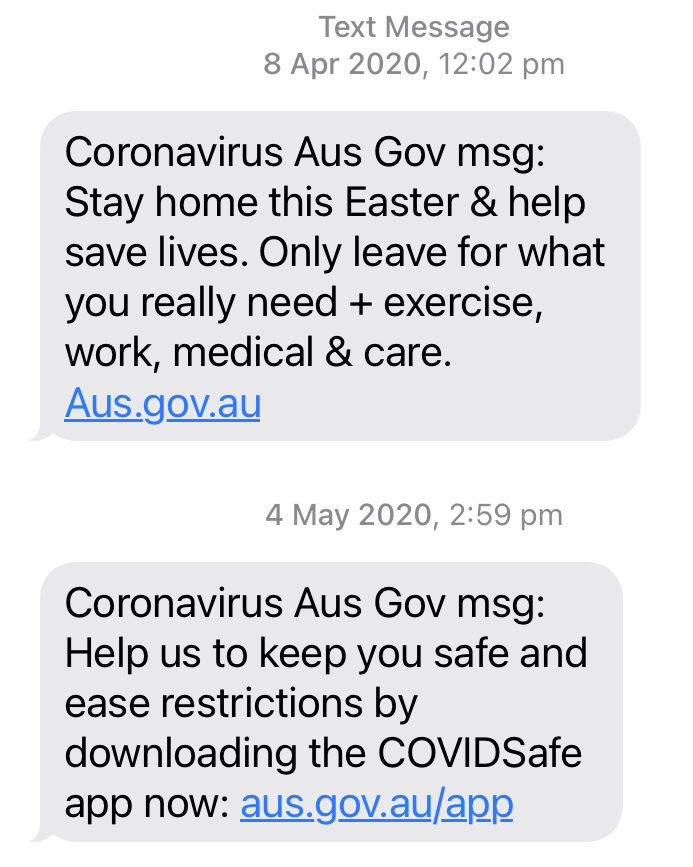
But the Australian Competition and Consumer Commission, in its submission, revealed that rushed government messages on COVID-19 have already been mistaken for scams – and undermined public information campaigns too.
“We have received many reports from people who thought that a legitimate government message was an approach from a scammer,” the ACCC wrote.
“The government’s need to put information out quickly and have citizens act on it has resulted in some actions – such as including links in text messages – that complicate the ACCC and other organisations’ attempts to simplify messaging about how to avoid scams.
“For example, in early 2020 during COVID-19 the government sent text messages to millions of Australians including a link to the website Aus.gov.au. Scamwatch and other agencies regularly warn consumers not to click on links in text messages and emails. This is an important message that protects people from phishing scams and malware.”


Such inconsistency in messaging raised the risk of consumers becoming more comfortable clicking on links, making themselves “easier targets for scammers”. Alternatively, people might remain wary and “ignore legitimate messages from governments and businesses” in the process.
The Attorney-General’s Department told the committee that changes to the vaccination rollout, such as those prompted by the risk of blood clots with the AstraZeneca vaccine, could provide “additional opportunities for fraudsters to take advantage of public uncertainty and successfully scam individuals and organisations”.
“If not proactively disrupted, vaccine related scams could undermine the speed and efficacy of Australia’s vaccination program,” the department said.
“A high prevalence of scams could also reduce the public’s confidence in genuine communications from governments and health practitioners, potentially leading them to disregard advice about vaccine availability and appointments.”
With the United States and the United Kingdom rolling out vaccines earlier, the ACCC pointed to their previous experience with scams including people selling fake vaccine appointments, fake vaccines, asking for participation in fake vaccine surveys or to be registered on waiting lists.
Already this year, the ACCC has received 58 reports about COVID-19 vaccination scams.
Stay informed, daily
The Department of Home Affairs argued free vaccines should minimise the demand from Australians seeking their own supply, thereby denying criminals a market.
But the department still expected to see COVID-19 used to rip people off.
“It is likely that fraud and scam activity driven by the release of the COVID-19 vaccine will be the most significant criminal issue associated with COVID-19 to impact Australia over the next 24 months,” it said in a submission.
The agencies are coordinating and planning preventive measures and strategies to rapidly respond to any vaccine-related crimes.
Want to see more stories from InDaily Qld in your Google search results?
- Click here to set InDaily Qld as a preferred source.
- Tick the box next to "InDaily Qld". That's it.