As US and China zoom down the EV fast lane, Australia is stuck with hand-brake on
The Morrison Government needs to pick up the pace in preparing for an electric vehicle future. Change is happening more quickly than anyone imagined, writes Robert MacDonald.
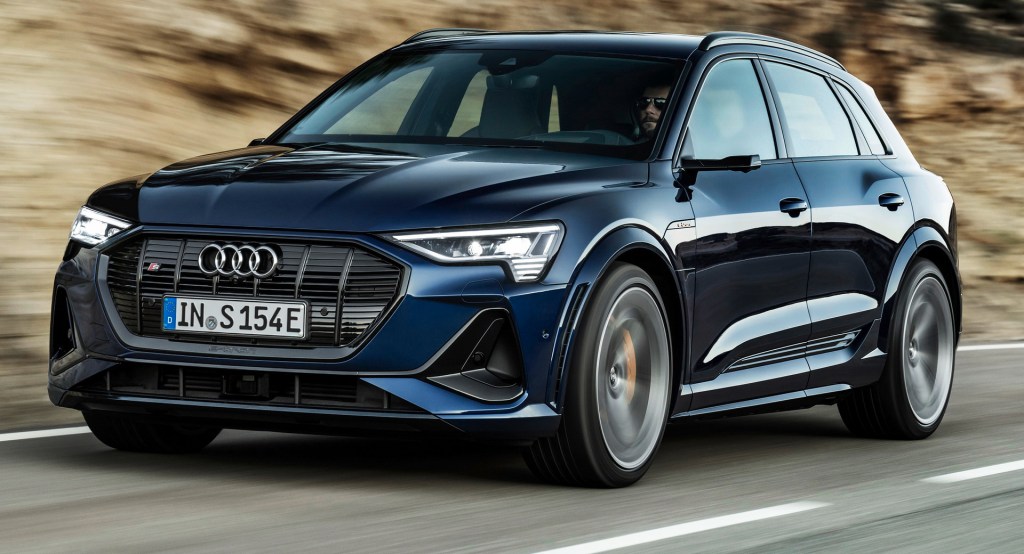
It really is time for the Australian Government to take electric vehicles seriously.
They’re coming whether we’re prepared or not and at a pace unimagined even just a few months back, fuelled by a new Chinese/US arms race to dominate the electric vehicle (EV) market.
China fired the first official shots in November last year, unveiling a 15-year plan for its EV industry, which aims to “accelerate the country’s transition into an automotive powerhouse”.
It wants EV sales to reach 20 per cent of total sales by 2025 and is already making huge strides.
China’s vehicle figures for March, released on Friday last week, show sales of NEVs – new energy vehicles – jumped by nearly 240 per cent in just 12 months, to nearly nine per cent of total vehicles sold.
The US has responded with a US$174 billion investment plan “to win the EV market”.
President Joe Biden announced the new program as part of his US$2.3 trillion American Jobs Plan, launched on March 31.
A White House statement was unambiguous; this was the US gearing up, as only it can, to take on a foe.
You might like


“U.S. market share of plug-in electric vehicle (EV) sales is only one-third the size of the Chinese EV market,” the White House said.
“The President believes that must change.”
Meanwhile, the Morrison Government has been travelling at a rather more leisurely pace.
In February, it took the bold step of finally releasing a long-promised Future Fuels Strategy Discussion paper – just 40 pages long – and called for feedback by early April, with a plan to produce a response by mid-year.
It hasn’t yet made submissions public but critics have quickly emerged.
This from the Australia Institute:
“This discussion paper is an admission of failure from the government when it comes to electric vehicles,” Richie Merzian, Director of The Australia Institute’s Climate and Energy Program said.
“After waiting years for a much-touted electric vehicle strategy, Australia now has little more than a wafer-thin discussion paper that doesn’t even exclusively focus on EVs anymore.
“This grab bag of unambitious measures, containing insufficient funding for charging stations and a handful of energy studies and trials, will certainly not transform Australia’s transport sector to zero emissions technologies in the time frame that is required.”
It wasn’t just think tanks commenting about the skimpiness of the government’s effort.
Stay informed, daily
Engineers Australia suggested in its self-published submission that “the Future Fuels Strategy could be improved by having a clear statement of the objective.”
“To what extent is the strategy targeted at giving consumers more choice?” EA asked.
“To what extent is the strategy designed to reduce emissions” or “to support lowering reliance on traditional fuel sources providing more fuel security?”
And “to what extent is it to cultivate technology, support productivity and make Australia a provider of green energy in the future?” and “how quickly is the speed of transition to occur?”
And perhaps most importantly of all, “How does the objective fit into and contribute to the Australian Government’s greater strategic intent for a transition to renewables and green energy? “
In short there’s a lot of work to be done.
The US and China might have declared EV war but the Morrison Government still appears focussed on the politics of it all.
Understandably so perhaps, given its apparent success during the 2019 federal election attacking Labor’s pro-EV policies as an assault on tradies’ utes and weekend-users of SUVs.
“Australians should be able to choose the type of car they drive and the Morrison Government will continue to empower them in making these new technology decisions,” Energy and Emissions Reduction Minister Angus Taylor said when releasing the discussion paper in February.
And importantly, the discussion paper put the kibosh on subsidising EV sales, claiming it wasn’t a cost-effective way to encourage take up of the new technology, thereby addressing another politically sensitive objection by those driving traditionally powered vehicles.
Australia is already lagging the rest of the world in EV sales, which accounted for less than one per cent of local sales last year compared with a global average of 4.2 per cent.
The numbers are still small but given the massive resources now being thrown at the issue by the Chinese and the US and the quickly growing efforts by European car makers to achieve mandated low and zero emissions standards, EVs are the future.
We need a lot more than discussion papers and political positioning, and much sooner than later, if only to make sure our electricity distribution network is ready to handle the looming new reality.
Want to see more stories from InDaily Qld in your Google search results?
- Click here to set InDaily Qld as a preferred source.
- Tick the box next to "InDaily Qld". That's it.



