Hotel quarantine the new pressure point as thousands push to return for Christmas
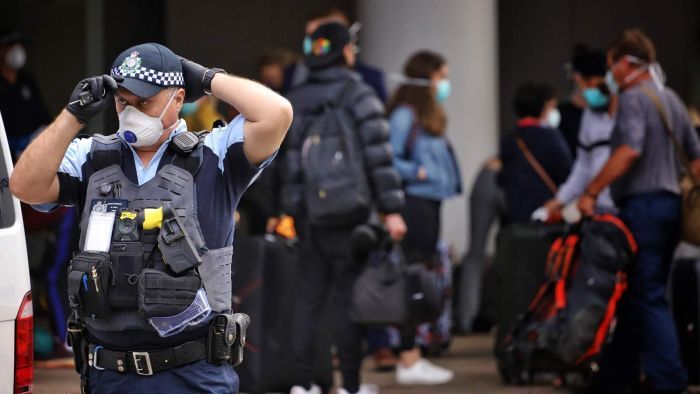
An incident in Brisbane that forced 11 police officers into isolation has demonstrated the ongoing risks of hotel quarantine.
Prime Minister Scott Morrison today said flights continued to be organised for Australians stranded overseas “but every time we get one home, we get another one extra who wants to come home”.
“It’s obviously constricted by the amount of hotel quarantine that we have and the National Cabinet, all the premiers and I agree that we don’t want to put too much pressure on that system because we want to maintain the health situation,” Morrison told Brisbane radio station 4BC today.
“I’m sure Queenslanders would agree with that.”
His comments came after Queensland’s hotel quarantine regime came under unprecedented pressure – as trouble-prone Victoria and NSW recorded their best days of the pandemic.
Queensland hit 15 active cases this week – it has since dropped to 13 – all in returning travellers in hotel quarantine. Victoria, Australia’s worst-hit state throughout the pandemic, had no such cases, while an unexpected outbreak in South Australia was being blamed on failures in hotel quarantine.
You might like


On Sunday, a 41-year-old man who had tested positive to COVID-19 had to be restrained as he allegedly attempted to leave the Southbank Rydges hotel in Brisbane. The 11 police officers involved were wearing personal protective equipment but were still required to self-isolate for 14 days, although initial tests have come back negative.
“The Queensland Police Service is conducting welfare checks on the members each day and has been able to make arrangements to ensure adequate staffing is in place while they are isolating,” the Queensland Police Service said in a statement.
In Queensland, anyone who tests positive to the novel coronavirus is transferred to hospital, and Chief Health Officer Jeannette Young recently ordered any hotel workers, including police, to undergo weekly testing to ensure the virus has not spread undetected. She conceded police officers were at the greatest risk and the changes were in response to problems identified in other states, and the ongoing pressure on the system.
Premier Annastacia Palaszczuk this week warned against any rapid reopening of international borders, saying it would threaten Queensland’s strong health outcomes and future economic recovery.
Stay informed, daily
Queensland police Deputy Commissioner Steve Gollschewski said the decision to ease interstate border restrictions next week would allow some 200 police to be redeployed or return to normal duties every day.
“We still have a very strong and committed hotel quarantine regime that we have to maintain, the international borders are unchanged, and we’ll still be meeting those flights coming out of hotspots for now,” Gollschewski said this week.
“Obviously, we’re planning for a longer haul in terms of international quarantining and we’ll still have lead on that.”
Like other states, Queensland had expanded its hotel quarantine capacity but Gollschewski said National Cabinet would have to decide its limits. There have been calls for other accommodation options to be considered.
Morrison said some 30,000 Australians had been helped to return home this year, meeting his commitment of a Christmas reunion for around that many people – “it’s just that more people are looking to come home”.
“But one of the other things we’re doing is we’re trying to prioritise it,” Morrison said.
“So we’ve got Services Australia helping the Department of Foreign Affairs and Trade. They’re contacting all the people overseas who’ve given us their details just to check on them, to see if any of their plans have changed. Some are saying, oh, I can come back next year. Others are saying, well, it’s got even more urgent for me. And so that means we can help try and working with the airlines and others to prioritise getting people home. It’s those who are most vulnerable we’re most concerned about and we’ve got a hardship fund (to help them).”
Want to see more stories from InDaily Qld in your Google search results?
- Click here to set InDaily Qld as a preferred source.
- Tick the box next to "InDaily Qld". That's it.



