Help from above: How army of drones will help restore koala trees
Drones will be used to shoot “koala food trees” into the ground in areas of Australia torched by bushfires, in an effort to save the species from extinction.
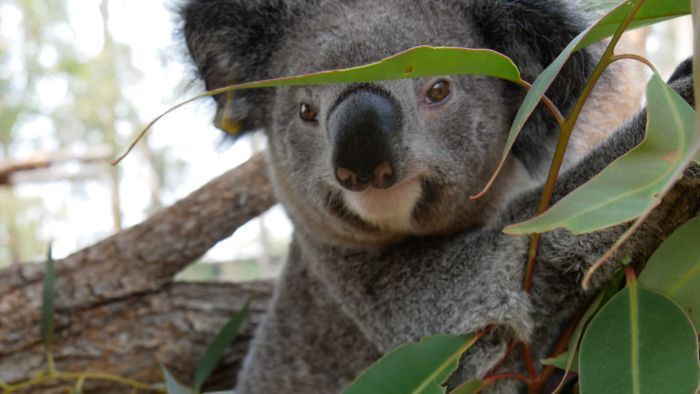
Eucalyptus tree seeds will be parachuted by drone into hard-to-reach areas of bushfire-devastated Australia, in an effort to fast track the restoration of koala habitat and save the species.
A trial of drone seeding, spearheaded by the World Wide Fund for Nature Australia, will see a horde of drones shoot ‘koala food tree’ seeds into the ground at several sites scorched during the horror 2019/20 bushfire season.
The method, which has been trialled for other plants in West Africa and Victoria, could be a game changer, says WWF Australia’s Chief Conservation Officer Rachel Lowry.
“The scale and the pace is really what is exciting about it,” she told AAP on Wednesday.
“They’re capable of dispersing up to 40,000 seeds per day, which is just so much more than any army of volunteers can plant by hand.”


With an estimated three billion animals killed or displaced and up to seven billion trees destroyed or damaged during the bushfires, it is vital as many seeds as possible are quickly planted, Ms Lowry says.
“We truly don’t believe that the business as usual way of planting trees is going to be enough for us right now with the scale of loss.”
Certain conditions are required for planting to be successful and the drones will help the team make the most of those short windows of opportunity. The drones also make areas that are hard to reach or unsafe for volunteers accessible.
Sites particularly hard-hit by the fires, such as the Richmond Valley in northern NSW and Victoria’s East Gippsland, are among those the trial will target.
The drone seeding program is part of WWF’s Regenerate Australia initiative, which also includes a global call-out for innovative ideas to promote wildlife recovery and landscape regeneration.
A grant fund of $3 million will be handed out to applicants whose ideas to regenerate wildlife and fauna or “future-proof” it are selected by a panel of experts.
Stay informed, daily
WWF hopes the initiatives chosen, along with the creation of a Great Koala National Park in northern NSW, will help save the national icon from certain extinction.
“We know that if we continue with business as usual, koalas will be extinct by 2050,” Lowry said.
“Doubling the number of koalas by 2050 is genuinely an achievable goal, but it’s not going to be easy and it’s going to require all of us to get behind it.”
-AAP
Want to see more stories from InDaily Qld in your Google search results?
- Click here to set InDaily Qld as a preferred source.
- Tick the box next to "InDaily Qld". That's it.



