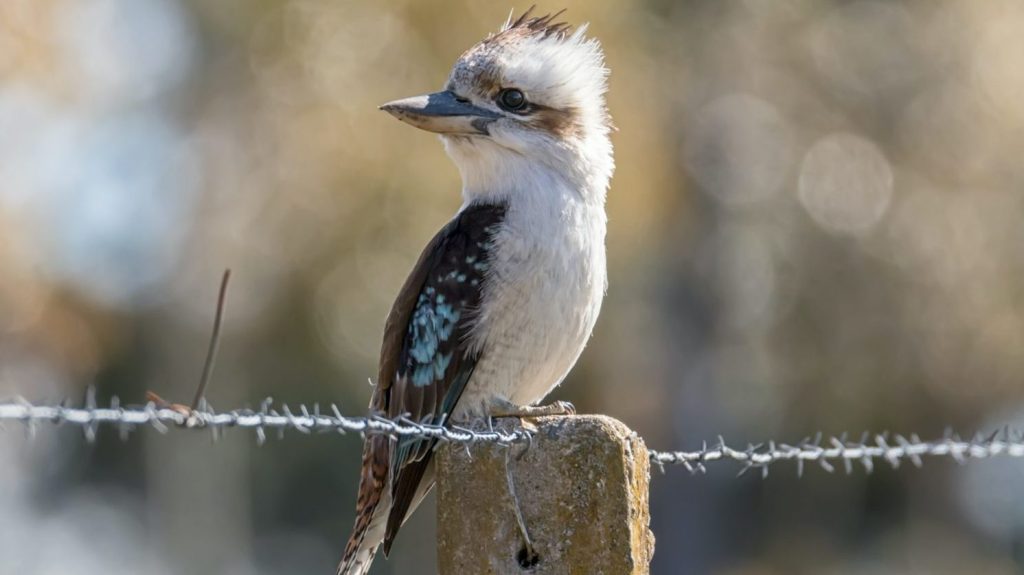
No laughing matter: Fears for kookaburras, magpies as numbers fall
The magpie and the kookaburra are two of Australia’s favourite birds and, although they’re not endangered yet, concerns for their wellbeing and survival are beginning to grow.
Sean Dooley describes magpies as being one of the few native bird success stories of European settlement.
So when dwindling observations were recorded across 15 years of Birdlife Australia surveys, alarms bells started ringingDooley, BirdLife Australia’s national public affairs manager, said magpies were “open grassland and woodland birds”.
“With agricultural and urban areas we’ve actually created pretty amenable habitat for them in that there’s a lot of open space with scattered trees so they can nest in, roost in and survive in the landscape,” he said.
But BirdLife Australia data shows that Australian magpies declined by 31 per cent in the East Coast region — including Sydney and Brisbane — between 1998 and 2013.
“They declined by roughly 20 per cent in the South East Mainland Region, which includes Melbourne, Canberra and Adelaide [for the same period],” Dooley said.
The data also reflected a dramatic decline in kookaburras and birds of prey, suggesting carnivores were potentially more vulnerable to these unknown environmental changes.
You might like


Agriculture, climate change and drought
One possible theory was that the use of second-generation rodenticides was having a bigger toll on birds through secondary poisoning.
“Birds like boobook owls, other birds of prey, and magpies are actually eating rats that have been affected by the poison and it can actually kill them, whereas the earlier rodenticides didn’t seem to affect the birds as much.” Dooley explained.
Other factors the group was considering included changing agriculture practices, climate change and more frequent droughts.
Although this did not mean magpies or kookaburras were endangered yet, it did indicate food and habitat conditions were under serious pressure.
“It’s a huge wake-up call. If these really successful birds are starting to suffer, something’s going on in the environment,” Dooley said.
Stay informed, daily
With the next report due out next year, he said he expected the downward trend to continue.
“The additional five years [since the last report] have just been more drought conditions. I can’t imagine things would be bouncing back,” he said.
Largest natural history data set
BirdLife Australia’s data is critical to painting a large scale, real-time picture of Australia’s bird populations providing insight to researchers and academics.
The data that made up these reports was nearly all gathered by volunteers.
“We have literally thousands of people sending in tens of thousands of surveys every year. It’s probably the biggest citizen science project in Australia and one of the biggest natural history data sets in the country,” Mr Dooley said.
Urban and suburban observational data was critical to “filling in the gaps” for common birds that share our spaces, as birdwatchers typically head to more pristine environments seeking rarer species.
Although an entry-level survey, Dooley said backyard bird observational data had been able to reflect nuanced trends, such as population decline between regional and metro areas indicating widespread environmental degradation.
This year, the coronavirus lockdown has coincided with the organisation’s annual autumn Birds in Backyard survey and it might provide an accidental boon for BirdLife’s data sets.
“One bit of positivity is with everybody at home, if we can get them to do their surveys, we’re going to get a huge boost in our knowledge of what birds are using urban, suburban and town areas,” Mr Dooley said.
– ABC / Micaela Hambrett
Want to see more stories from InDaily Qld in your Google search results?
- Click here to set InDaily Qld as a preferred source.
- Tick the box next to "InDaily Qld". That's it.



